Outdated infrastructure: why traditional computer labs no longer make the cut
12 January, 2024


In the dynamic realm of educational technology, the once-prevalent traditional computer labs are slowly fading away. This blog post delves into the ever evolving landscape of digital education, highlighting the diminishing relevance of physical labs and the importance of virtual labs, which bring unprecedented advantages to the forefront.
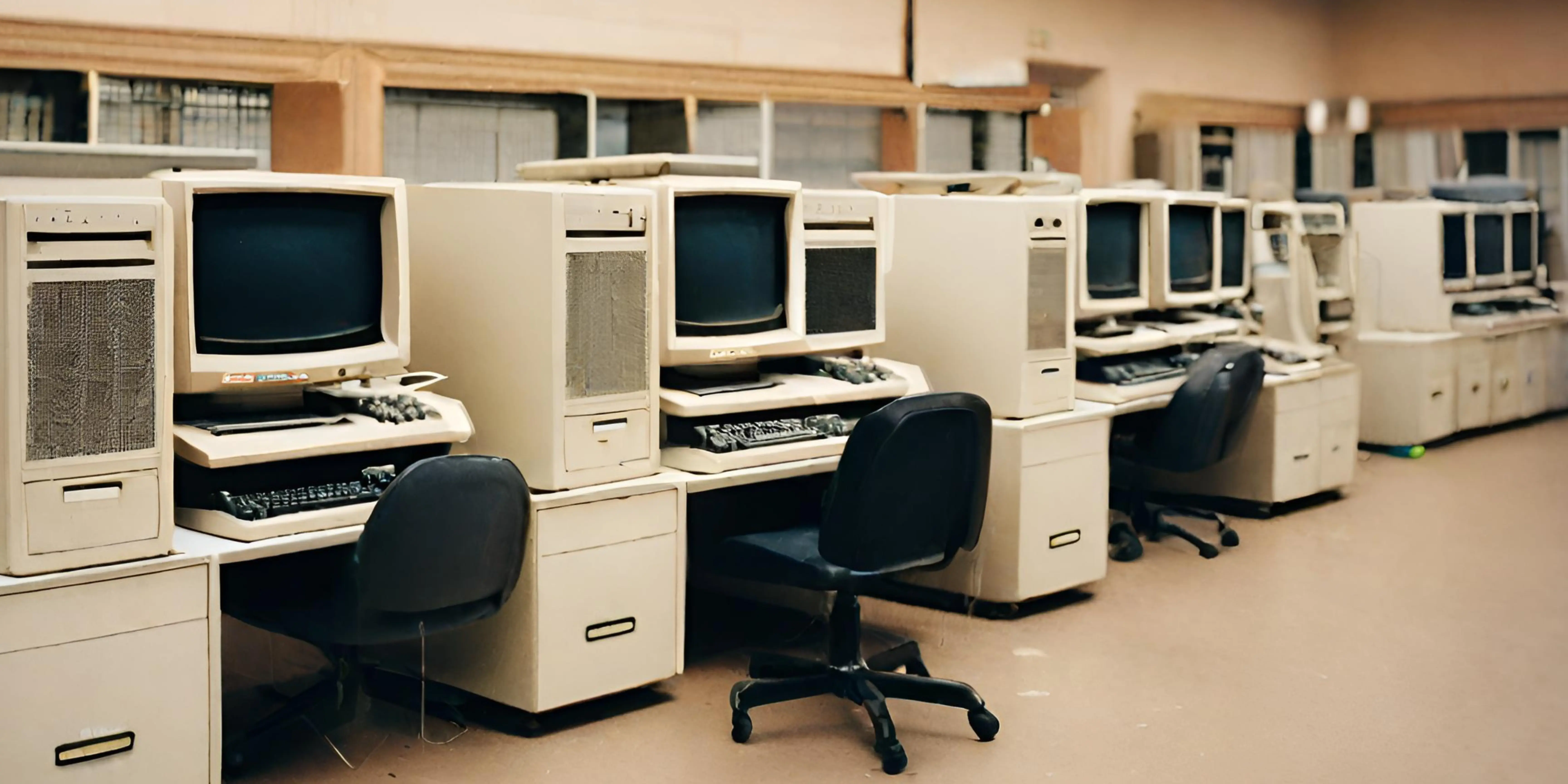
Traditional computer labs have long been integral to education and corporate training. These physical spaces are equipped with computers, servers, and specialized software, posing logistical challenges, especially for institutions and companies with limited resources or a growing population. Students or employees must be physically present in the lab during specified hours, limiting access and flexibility.
Virtual labs address the shortcomings of traditional computer labs. Hosted online, they allow individuals to access them from any location with an internet connection. This not only eliminates the need for physical infrastructure but also provides unprecedented scalability and flexibility. Additionally, virtual labs offer a simulated environment where individuals can conduct experiments and exercises without the risk of impacting live systems. This safety net encourages exploration and hands-on learning, fostering a deeper understanding of concepts. Learn how Constructor Virtual Lab can maximize the learning outcomes of corporate or academic software trainings, sales demos or POCs.
The surge in the popularity of virtual labs during the COVID-19 crisis underscored their pivotal role in enabling remote learning and training. With physical labs inaccessible, virtual labs emerged as a lifeline, allowing everyone to engage in hands-on experiments and practical learning from the safety of their homes. This technology not only ensured educational continuity but also showcased the resilience and adaptability of virtual platforms. As the pandemic accelerated the digital transformation in education and work, virtual labs stood as essential tools bridging the gap between traditional learning environments and the demands of a rapidly evolving global landscape.
To harness the full potential of Virtual labs, seamless integration with learning management systems (LMS) and other educational technology tools is imperative. Here's a blueprint for achieving optimal integration:
Check out real-world examples of how virtual labs are used by educational institutions and corporations here.
In the ongoing digital transformation of education, virtual labs stand as beacons of innovation, offering a flexible, scalable, and immersive learning environment. Integrating virtual labs with LMS and other ed tech tools not only overcomes the limitations of traditional computer labs but also enhances the overall educational experience. The synergy between virtualization technologies and educational platforms paves the way for a future where learning transcends physical boundaries.