The changing landscape of university faculty and teaching practices
09 August, 2024


The incorporation of technology has changed the traditional way of education and teaching in universities. In addition, it is increasing the emergence of online platforms for education and the adoption of hybrid models that allow institutions to extend access across larger and more socially diverse student populations.
It is not just the change in the tool but a rethinking of traditional pedagogies in the development of an inclusive and more effective learning environment. Now, the role of the faculty is changing; they are the facilitators of learning rather than simply a transmitter of information.
New statistics point out a change in the composition of university faculty to a more part-time and adjunct composition. The American Association of University Professors states that this percentage has actually grown from 22% in 1970 to about 40% in the past years (AAUP, 2024). A part of this growth is driven by the trend that is going towards specialized knowledge in the emerging areas and flexibility on the part of academic institutions for changing to altered demands.
Responsive to this, academic institutions are increasingly investing into faculty development programs that prepare educators for the effective use of technology in their teaching practices. Artificial intelligence and machine learning are increasingly being used dominantly in education to offer a personalized learning experience and automate the administrative tasks. Constructor is a specialized AI platform designed to accelerate education and research.
By providing a centralized environment with pre-installed packages, streamlined data management, and automated workflows, we empower edu institutions to overcome modern research challenges. Here's how you will benefit from enhanced collaboration, increased research efficiency, and the ability to discover valuable insights to inform innovative educational practices.
AI tools could analyze data of the student for their learning patterns, and educators would be able to use ways that would be of help to specific learners
Adopting new educational methods that include flipped classrooms and PBL are redefining the earlier lecture model. Modern approaches to education put forward activity in learning: students master the subject in question through active project work, communication, or collaborative activity. The point is supported even more by the availability of unlimited digital resources and platforms for interactive studying.
Moreover, education in virtual and augmented realities is more and more used to provide students with learning environments and for exploratory interaction in other realities of the world, which are complex concepts.
This makes it possible for learners to have practical experience in simulations and virtual labs that would be very limited in nature with real resources. According to a report by Global Industry Analysts, the VR and AR in education market is forecasted to reach as high as $17.23 billion by 2026.

Artificial intelligence plays an instrumental role in transforming teaching practices. AI-powered platforms can provide on-the-go feedback to students for them to be able to identify areas of concern or monitor self-development.
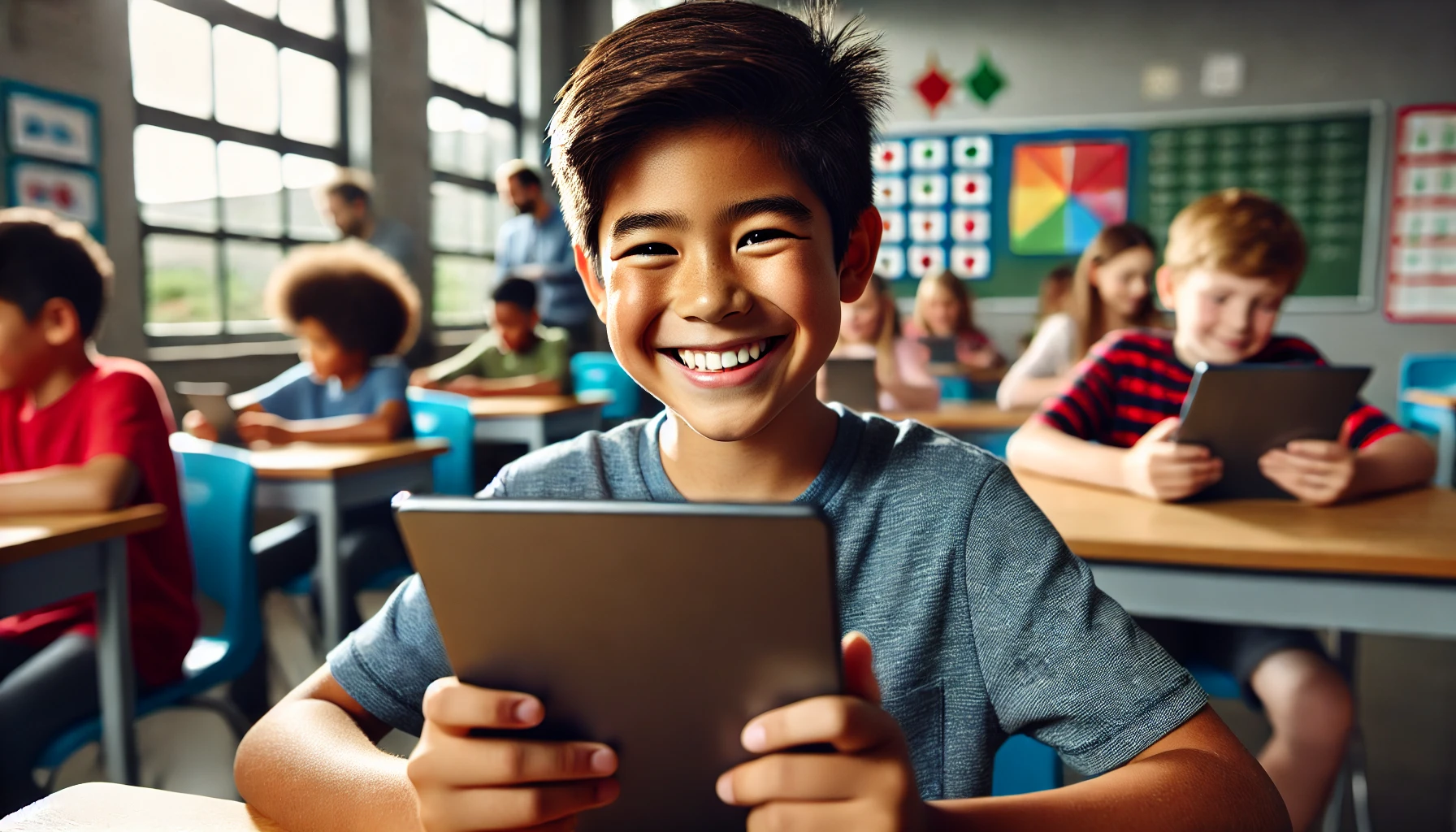
This immediate feedback loop can gear up a learning experience and consequently help a student attain educational goals.

AI is also being used to develop the intelligent tutoring systems that allow for personalized guidance in accordance with the pace and style of learning of every student. In fact, such systems are considered highly accommodating to students from diverse backgrounds, easing the burden of even those with learning disabilities and language barriers.
This future exclusively rests on the incorporation of technology in innovative teaching practices along with lifelong learning. Indeed, curricula are increasingly developed in close collaboration with industrial partners to provide both relevance and match-up with job market demands.
This collaboration is relevant for building a skill set in a student that can be useful in facing the modern challenge of the workforce. Another report from McKinsey projects that as many as over 375 million workers around the world will have to change occupational categories by 2030 due to automation (McKinsey, 2023).
The second trend, “Change and Agility”, mandates that universities of the future must embrace change and become agile in all their activities.
In sum, the professionalism and practice of university faculty and teaching are changing in the same way that technology and student-centered approaches are developing. With the reshaped educator and educational experience that these changes imply, exciting opportunities are created for innovation and growth.
During this transformation, what will be most required of universities is a commitment to both faculty development and the integration of technology and relevance of curriculum - all this to ensure that their products continue to be relevant to society and the student.