High speed learning at A2RL 2025: Constructor’s AI racing team reaches the grand final

05 December, 2025
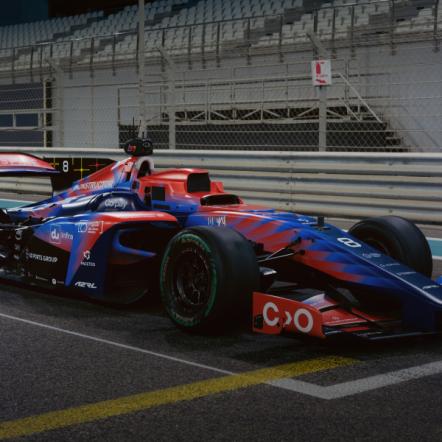
A2RL Car header

Constructor Tech and Constructor University returned to the Abu Dhabi Autonomous Racing League (A2RL) for its second season and once again secured a spot in the Grand Final. Eleven teams from leading universities and research institutions competed this year, each with AI systems piloting identical Dallara SF23 race cars at extreme speeds. Constructor advanced through qualifying rounds and finished sixth overall at Yas Marina Circuit. 


Season two highlighted how quickly autonomous racing is evolving. Cars reached speeds close to 300 km/h, several teams broke previous benchmark lap times and one even outperformed a professional racing driver’s reference time. The final race delivered one of the most dramatic moments of the season when our car collided mid turn with another competitor. Both cars were safely recovered. 

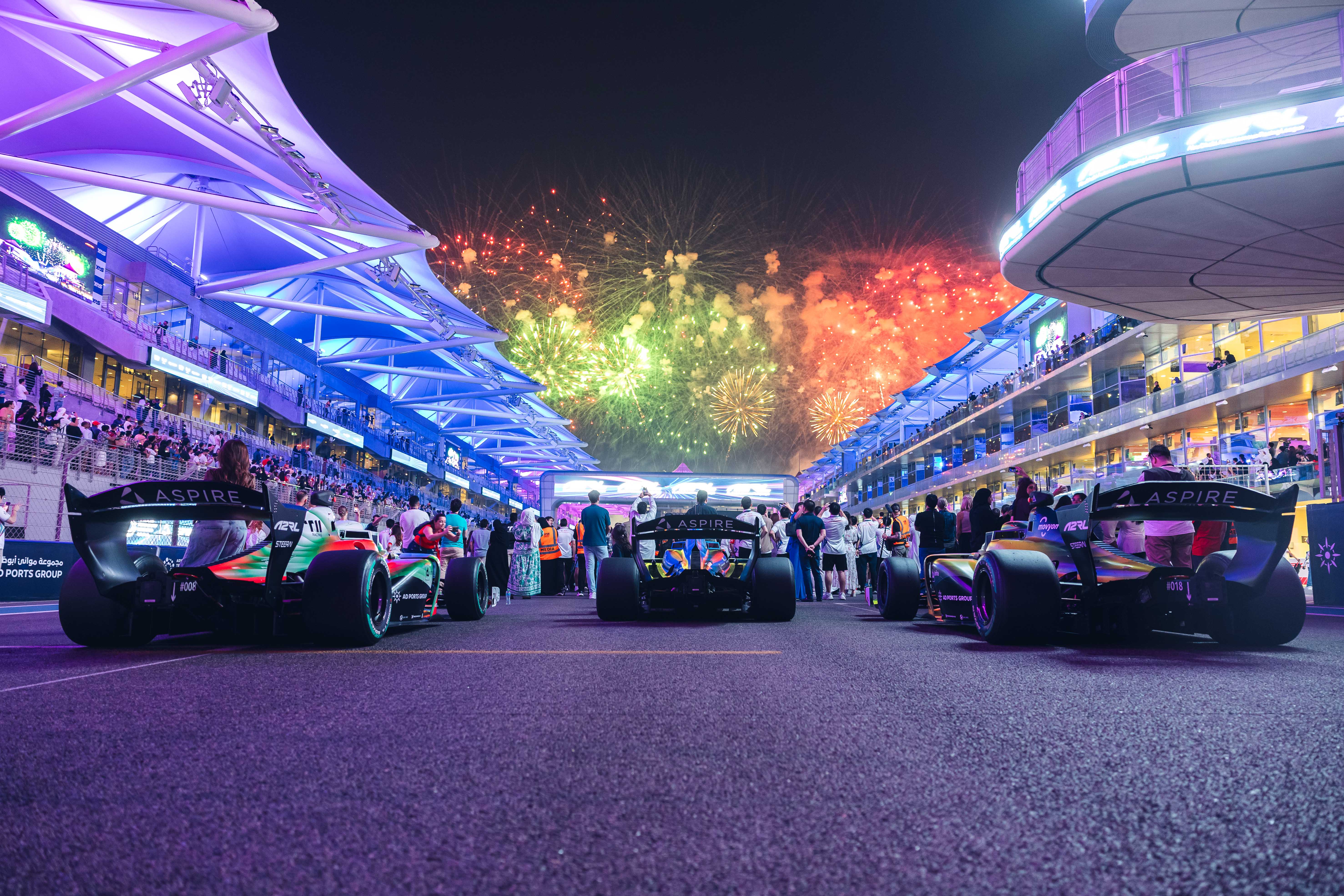
A2RL Race fireworks

Pushing the limits of autonomous racing

Racing at this level demands far more than speed. Each car is controlled entirely by AI software that must make split second decisions under constantly changing conditions, from managing temperature dependent tire grip to choosing overtaking lines and reacting to unexpected maneuvers.

“It is a great achievement that Constructor reached the final again, even with a small team [...] These races push our algorithms to their limits and give us invaluable real world data.” 


Prof. Andreas Birk, Professor of Robotics at Constructor University.

One of the biggest advantages of autonomous racing is safety. When the system miscalculates, engineers learn without putting human drivers at risk. That feedback loop accelerates progress in a way few other environments can match. 

Behind the scenes: from Dubai to race day

Constructor’s week in the UAE included several moments that went beyond the race itself. Before arriving in Abu Dhabi, the team visited Rapyd’s regional office in Dubai. The office hosts an internal remote control car competition that has become unexpectedly intense among staff. The visit sparked a creative idea: what if there were a self driving version of this challenge using miniature autonomous vehicles? It became a fun highlight and a reminder of how enthusiasm for mobility and robotics can appear in unexpected places.
 

On race day, guests joined the team for a full day of activities around the main event. Alongside the autonomous race sessions, visitors explored demonstrations of robots and watched the “Human vs AI” challenge, where former Formula One driver Daniil Kvyat once again raced against the league’s autonomous software. The comparison showed how much the technology has advanced since last season.
 

Between garage access, pit lane insights and behind the scenes explanations of how the AI system makes decisions on track, the event offered a rare look into the engineering and preparation required to compete at this level. 

What this season taught us

The pace of progress in autonomous racing is accelerating 

Real world racing conditions reveal insights that simulations cannot replicate 

Every on-track incident produces data that strengthens next iteration models 

Safety is naturally built into the format, enabling faster experimentation 

Constructor’s ongoing research in AI, autonomy and robotics continues to show strong results on the global stage 

Looking ahead to 2026

Reaching the grand final for the second consecutive year reflects Constructor’s commitment to advancing autonomous mobility, robotics, and AI. While the team hoped for a stronger race outcome, the learnings from A2RL are just as important as the result. High speed testing, real world datasets and hands-on experience all contribute to better systems for the next season. 


The team returns from A2RL energized and is already looking ahead to 2026, with more ideas, more improvements and even bigger ambitions. 

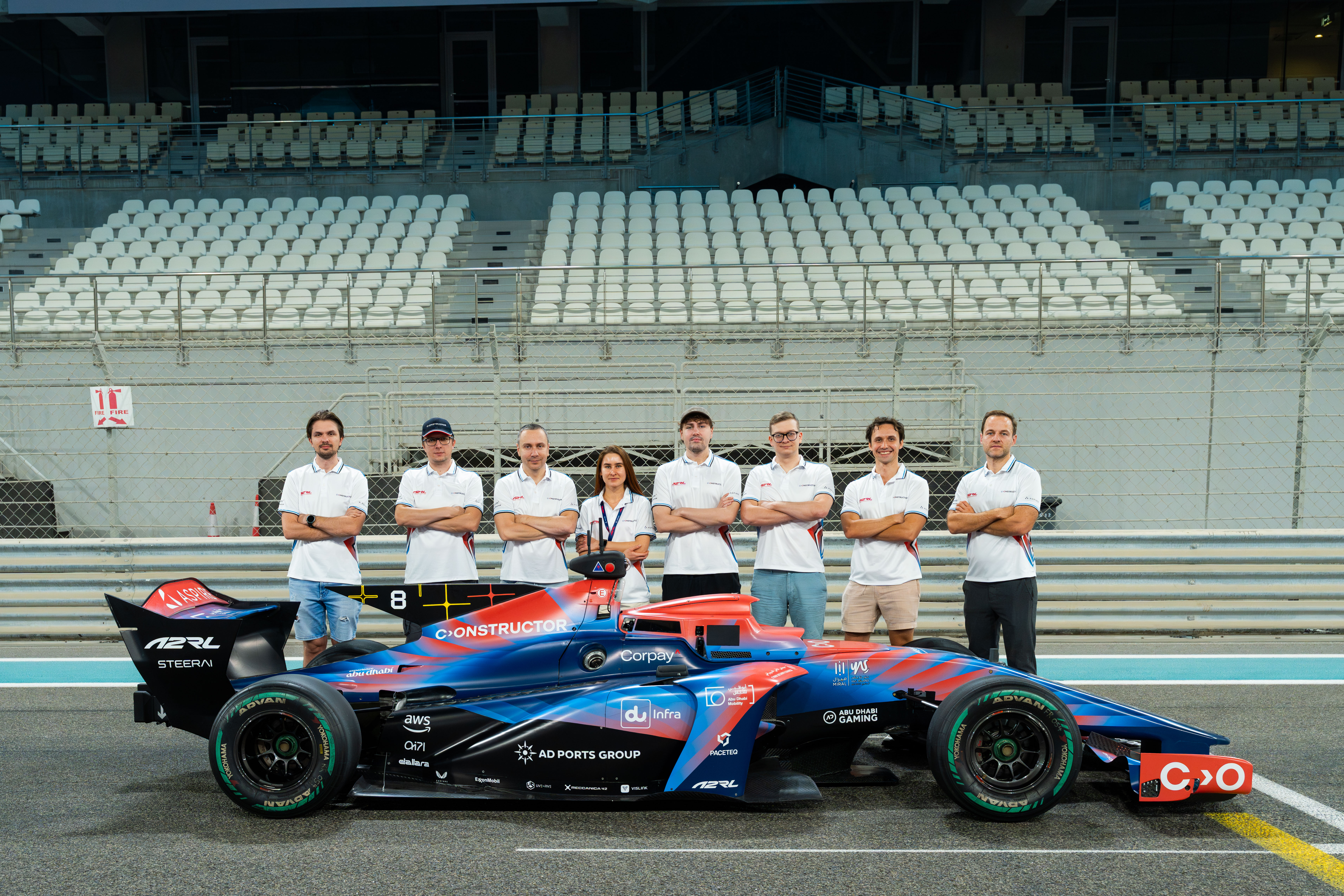
Constructor A2RL Team

Authors

Zeca
Zeca Carvalho

Chief Growth Officer - SportsTech