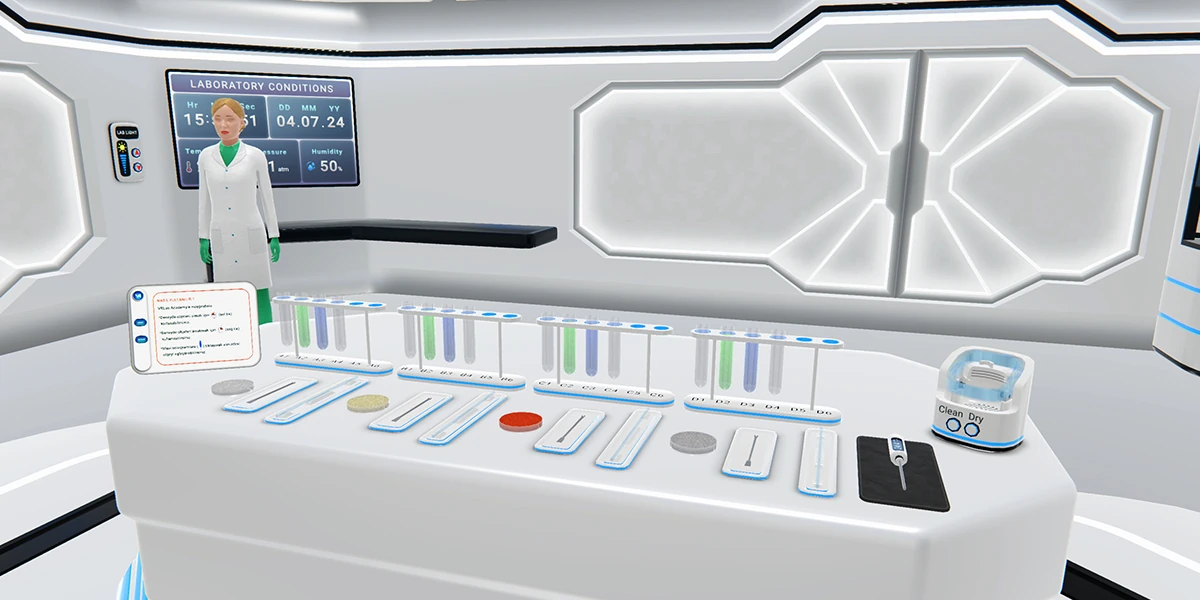
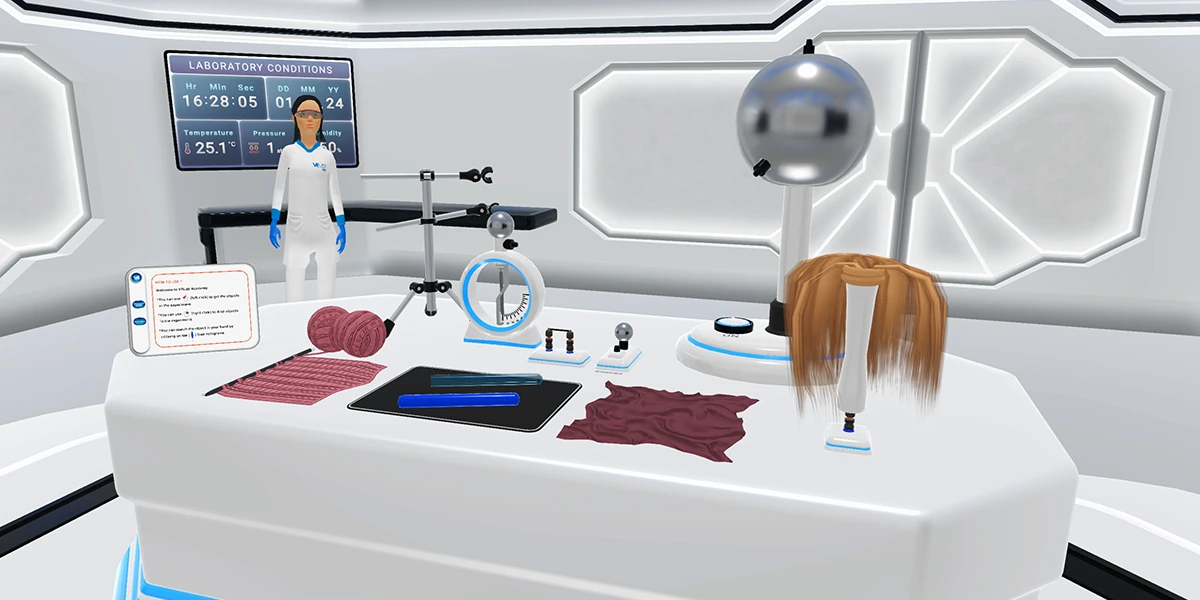
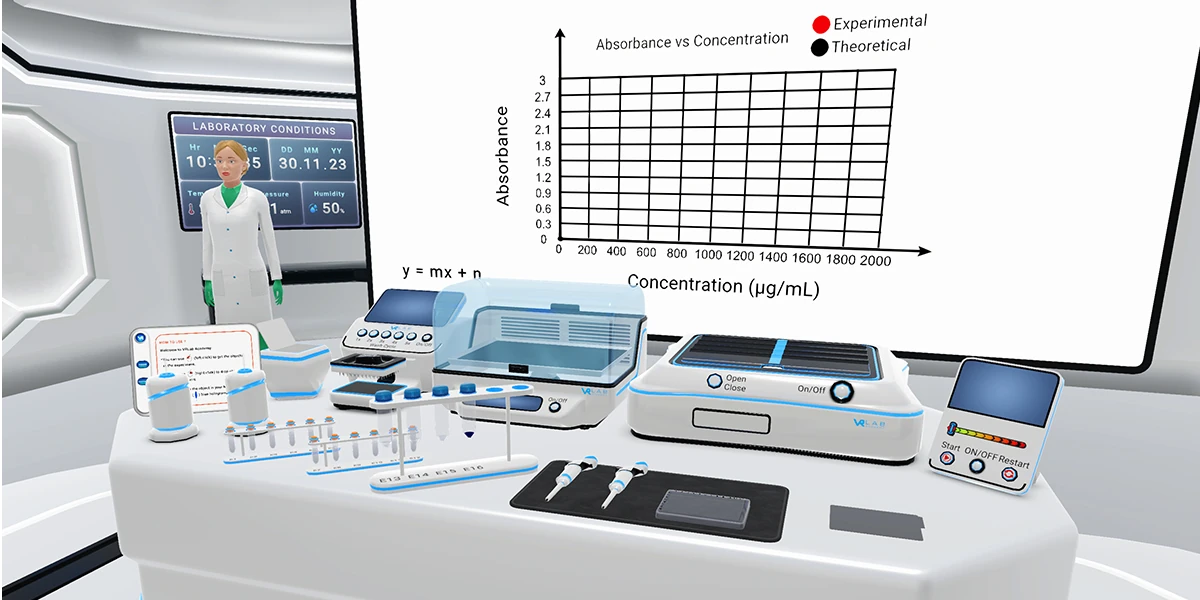
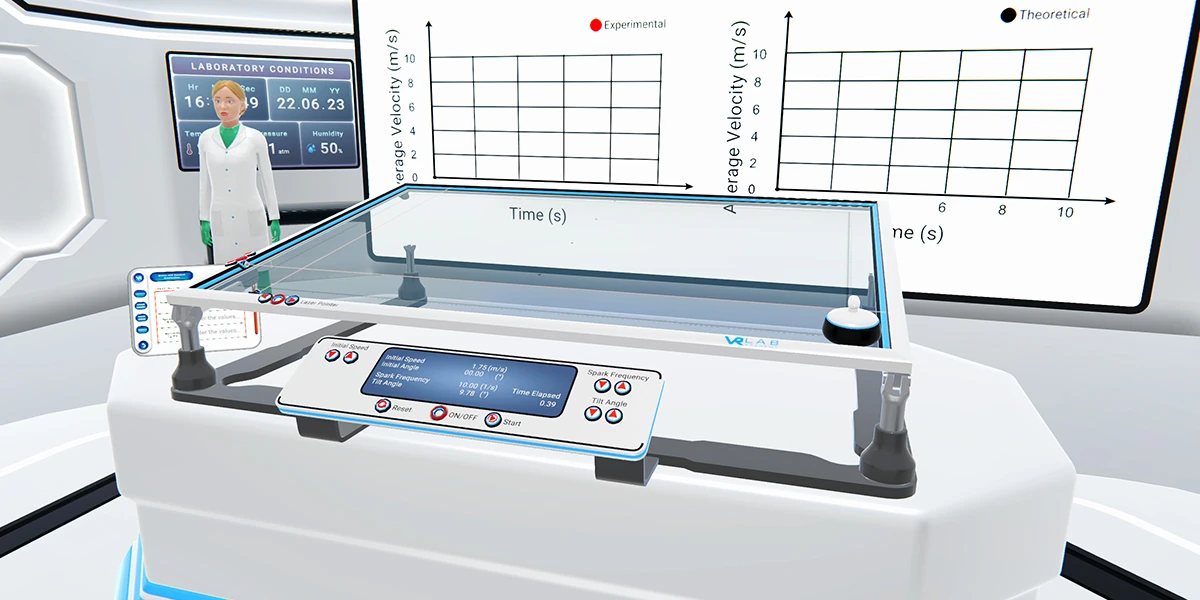
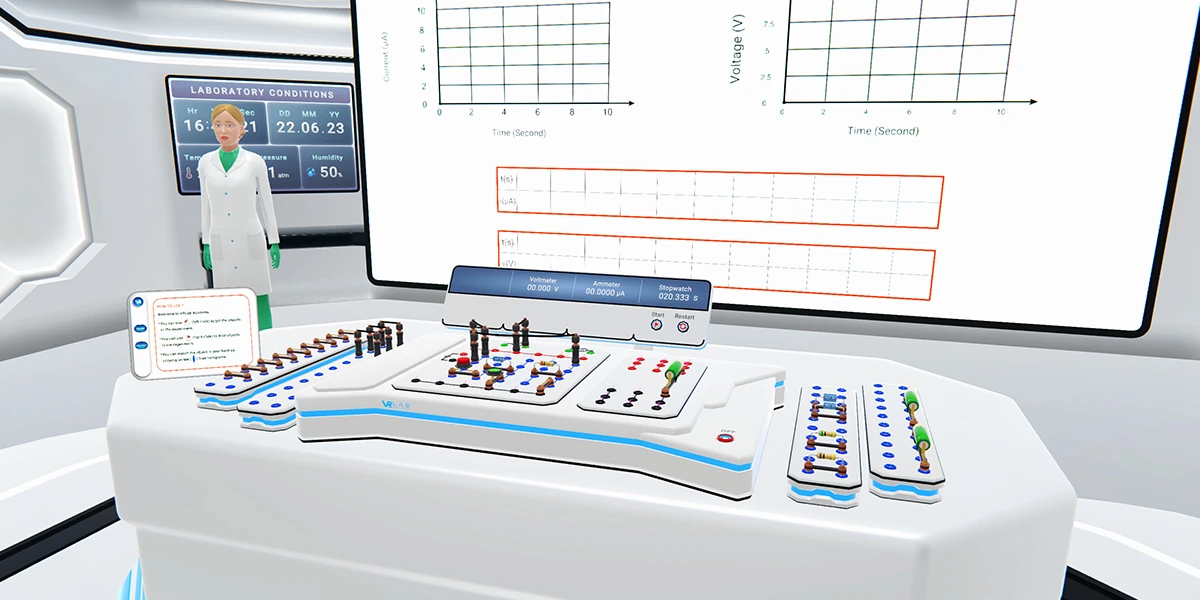
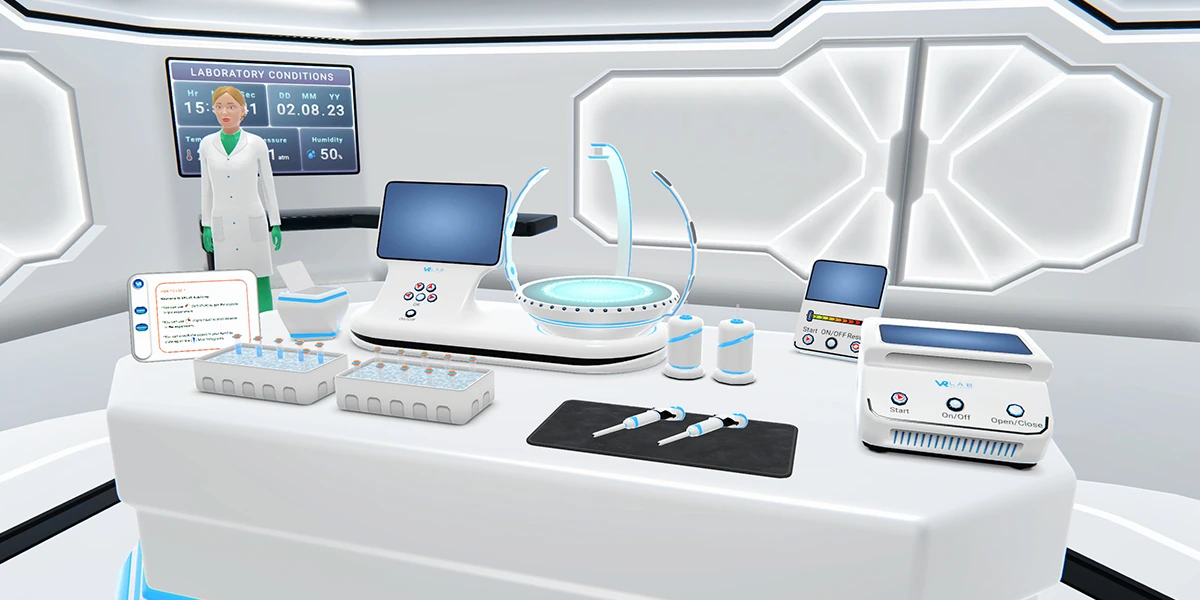
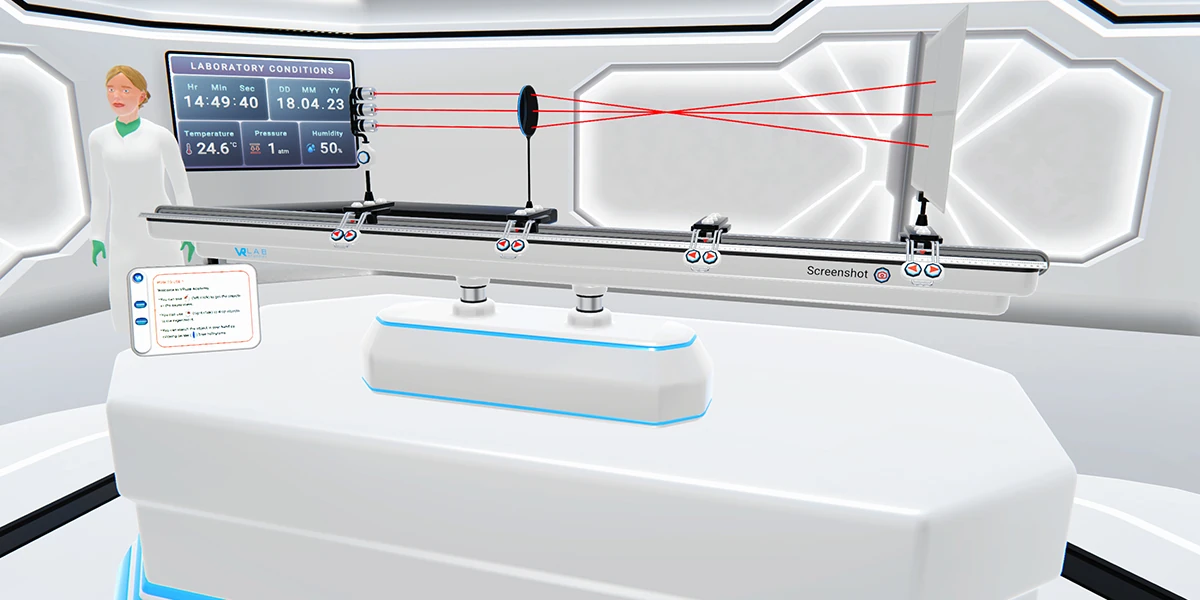
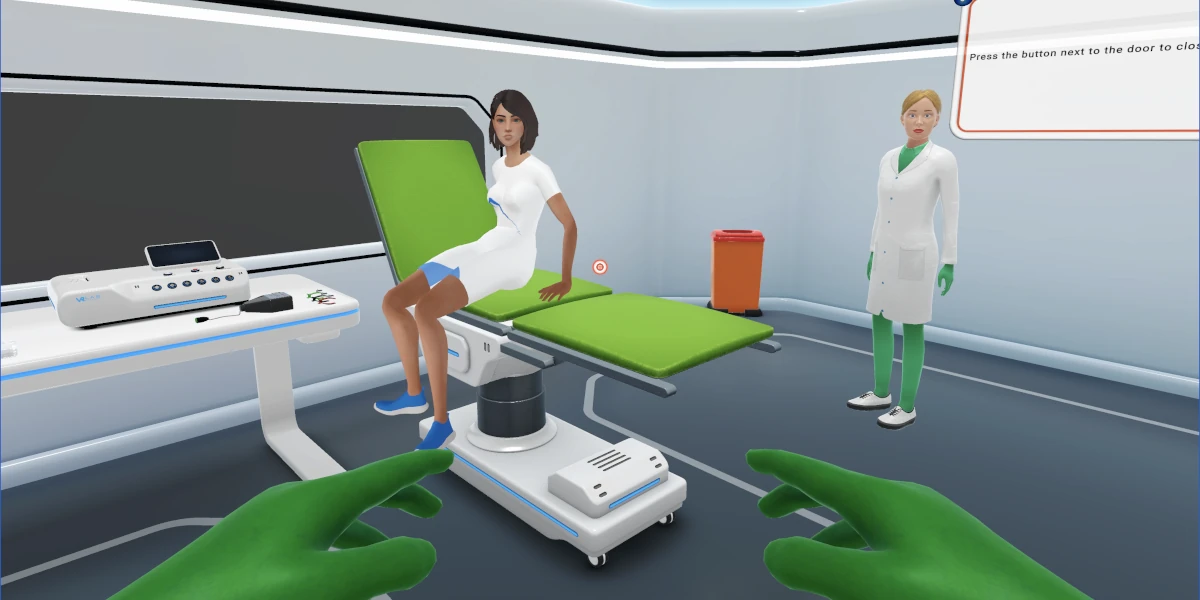
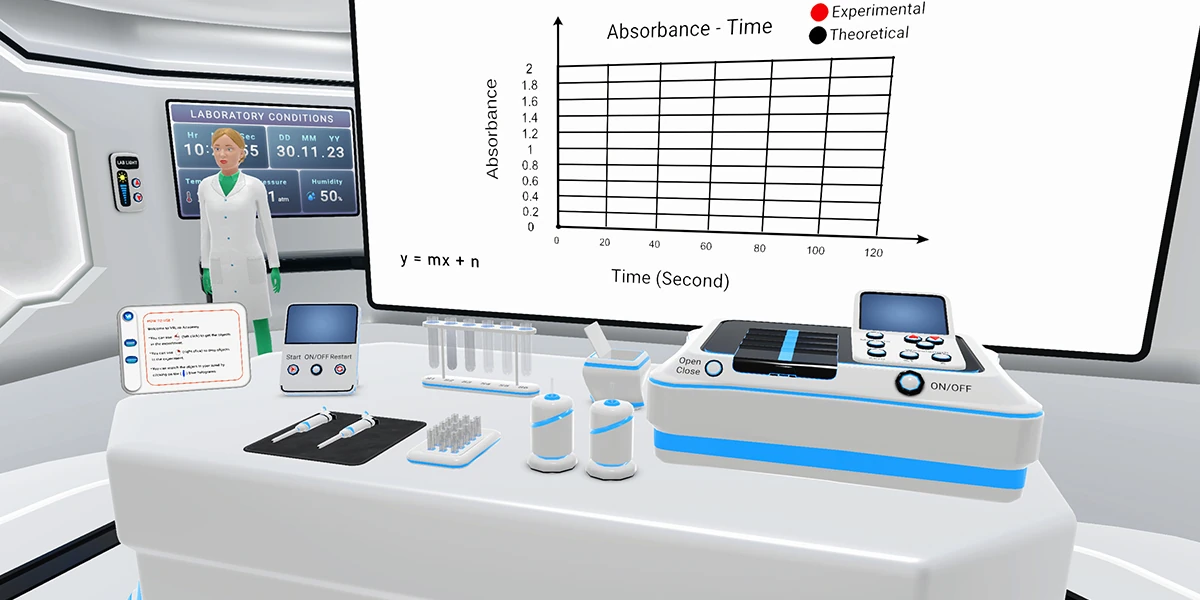
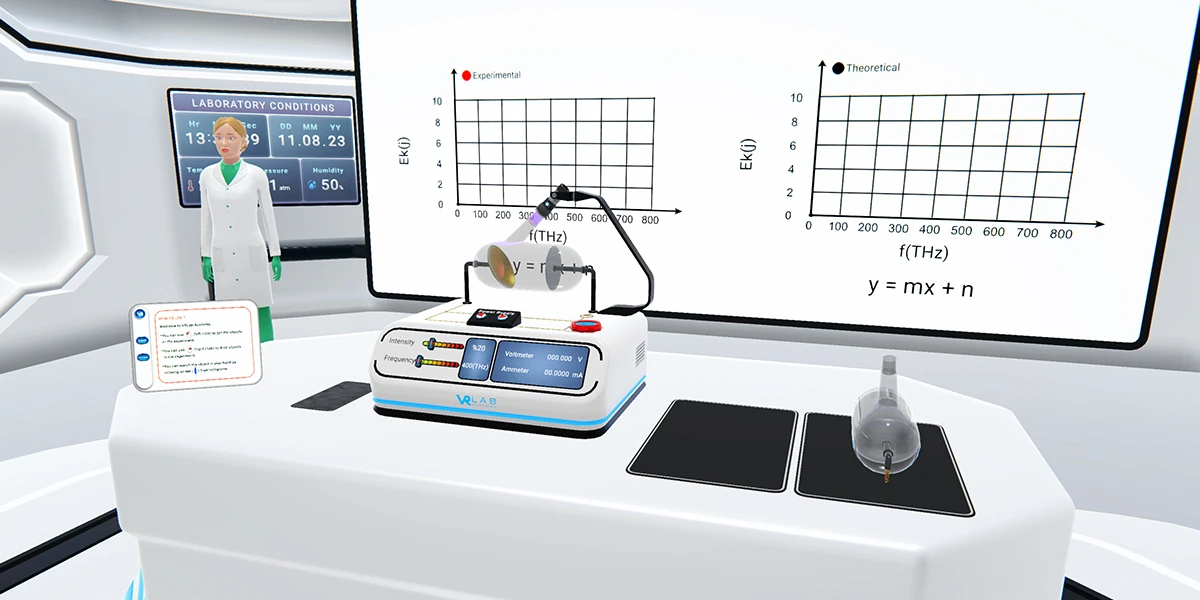
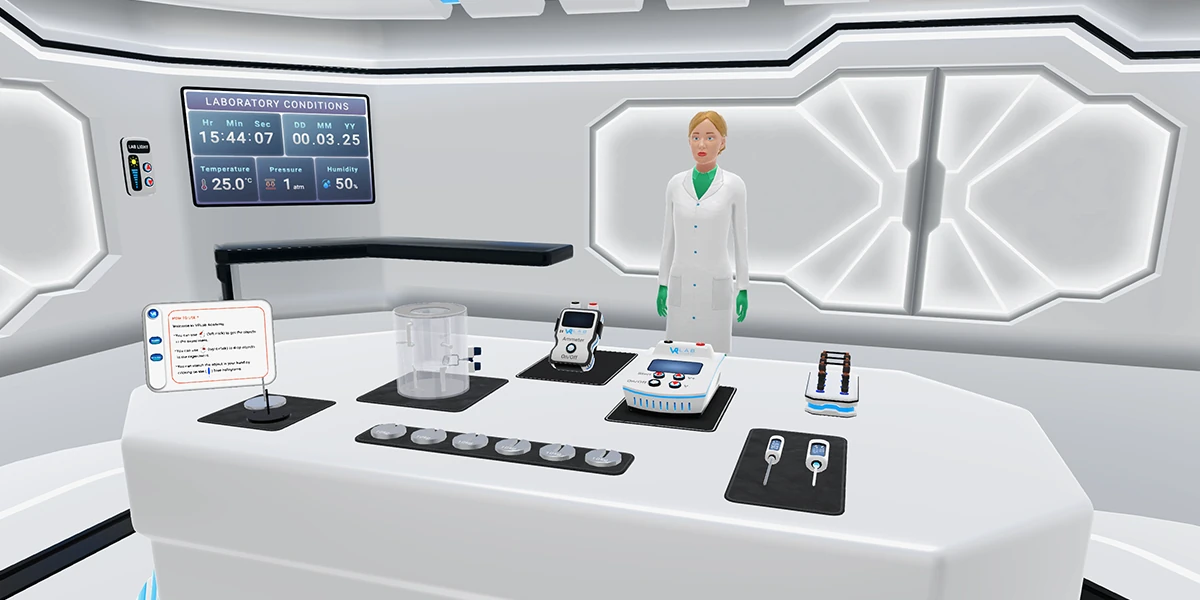
Practice Science Experiments main hero

Practice Science Labs

160+ realistic experiments without the need for physical lab equipment. 

Accessible from anywhere, on any device.

Empower K–12 and early university students with hands-on STEM learning

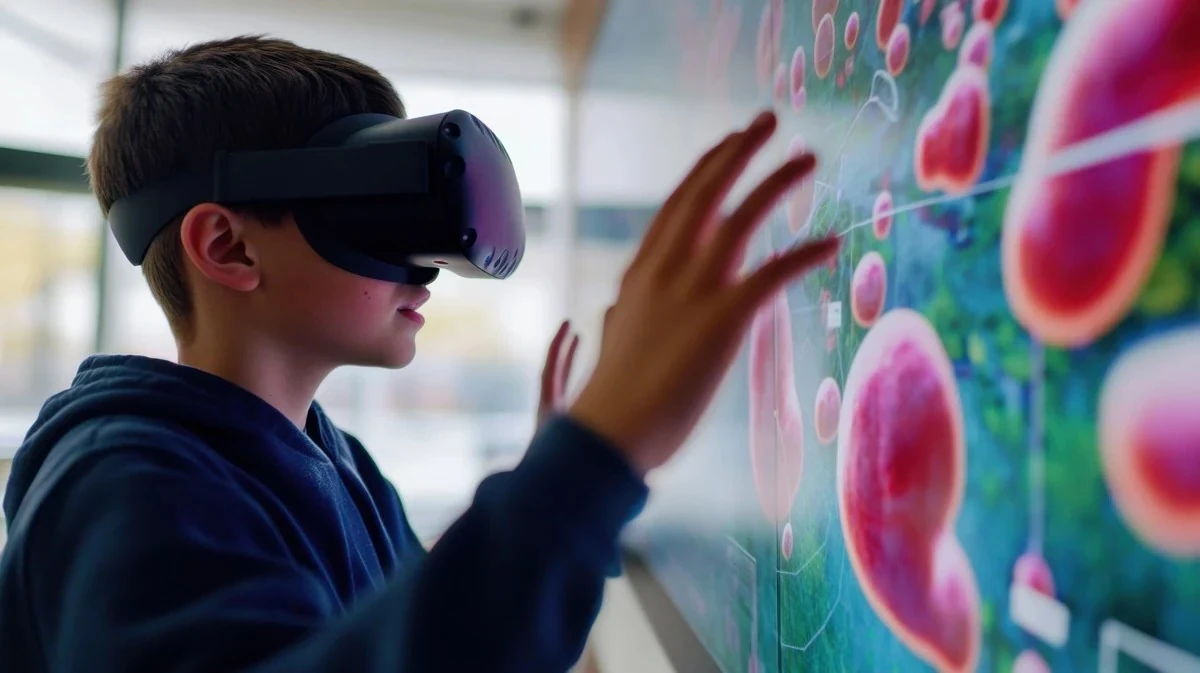
Whether you're seeking curriculum aligned simulations for younger learners or advanced virtual labs for higher education, our 3D immersive environments bring science to life. Students can safely explore 13+ categories including biology, chemistry, physics, without the limitations of traditional labs, while teachers gain the flexibility to teach more effectively

Virtual labs

Used in over 40 countries by leading schools

Explore 160+ experiments

Aligned with IB, AP, GCSE, and K–12 curricula for deep, hands-on science learning

Access anytime, anywhere

Conduct safe, realistic experiments on PCs, laptops, tablets, or VR headsets like Meta Quest 3

Pre-built lessons

Ready-made lessons crafted for easy adoption into your existing teaching framework with progress tracking

Integrate with any LMS

Assign labs, monitor performance, and streamline workflow through seamless integration.

Enable safe, repeatable practice

Let students run experiments as often as needed—risk-free and fully interactive.

Automated assessments

Built-in assessments to test student knowledge and track their progress throughout the learning process

Where science gets hands-on

Discover a wide range of immersive science modules designed to engage students across from foundational concepts to advanced with interactive lab

Practice-Science-Experiments-Biology-Labs
Biology
Practice-Science-Experiments-Chemistry-Labs
Chemistry
Practice-Science-Experiments- Electromagnetism-Labs
Electromagnetism
Practice-Science-Experiments-Mechanics-Labs
Mechanics
Practice-Science-Experiments-Modern-Physics-Labs
Modern physics
Practice-Science-Experiments-Optic-and-Waves-Labs
Optics and waves
Practice-Science-Experiments-Molecular-Biology-Labs
Molecular biology
Practice-Science-Experiments-Thermodynamics-Labs
Thermodynamics
Practice-Science-Experiments-Medical-Biochemistry-Labs
Medical biochemistry
Practice-Science-Experiments-Early-Science-Labs
Early science (Junior)
Practice-Science-Experiments-Wellbeing-Labs
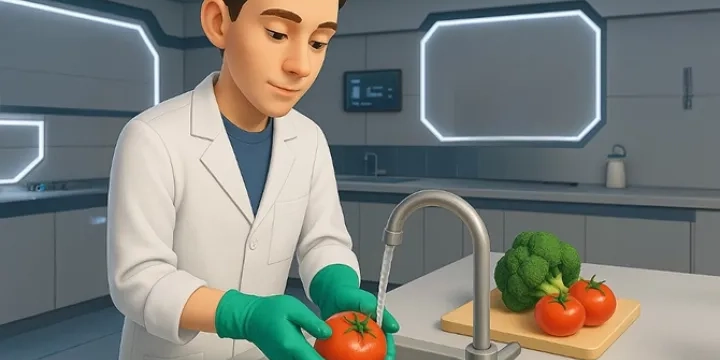
Wellbeing modules

Food safety training
Practice-Science-Experiments-Physiology-Labs
Physiology

Scientific method in action

Each experiment follows a step-by-step approach modeled on the scientific method:

Observe phenomena

Interact with lab tools to manipulate the environment and explore scientific phenomena

Formulate hypotheses

Use built-in lab manuals as guidance to define research questions and hypotheses.

Collect & record data

Take measurements and practice techniques in a realistic, error-tolerant environment.

Analyze results

Calculate, graph, and organize findings with manual support and built-in analytical tools

Draw conclusions

Save data and compare with a personalized, responsive answer sheet for deeper insight

Experiments list​ by subjects

Chemistry laboratory
  • Acid Base Titration with Indicators: The Acidity of Beverages
  • Acid-Base Experiment
  • Acid-Base Titration with a pH meter: The Identification of an Unknown Acid Solution
  • Atomic Structure - Flame Test For Metals
  • Boiling Point Elevation
  • Bonding and Structure - Conductivity of ionic vs covalent substances
  • Bonding in Solids
  • Buffer Design
  • Buffering Activity
  • Chemical Equilibrium Iron III Thiocyanate Complex Ion
  • Copper Content of Brass
  • Determining the Copper Content of a Brass Sample
  • Determining the Heating Curve of Water
  • Displacement Reactions Between Metals and Their Salts
  • Enthalpy change of solutions
  • Equilibrium Constant: Iron Thiocyanate Complex Ion
  • Identification of Anions
  • Identification of Cations
  • Introduction to Organic Chemistry
  • Ion Responsible For the Wavelength of Maximum Absorption
  • Ionic & Covalent Bonds
  • Kinetics - Concentration Effect on Rate
  • Molecular Shape Modelling
  • Paper chromatography
  • Precision and Accuracy in Laboratory Measurements
  • Rate Laws
  • Redox Titration: Determination of H2O2 concentration
  • Separating Mixtures
  • Separation by Extraction
  • Separation by Separatory Funnel
  • Separation by Simple Distillation
  • Solubility in Solid-Liquid Solutions
  • Solubility in Solid-Liquid Solutions With Ca(OH)2
  • Solubility in Solid-Liquid Solutions With KNO3
  • Test for Functional Groups in Organic Compounds
  • The Hydrogen Emission Spectrum
  • The Law of Conservation of Mass
  • The Law of Definite Proportions: The Empirical Formula of a Metal Oxide
  • The Law of Definite Proportions: The formula of Hydrate
  • UV-Vis Spectrophotometer and Beer-Lambert Law
Biology laboratory
  • Active Transport
  • Animal Behavior
  • Asexual Plant Propagation: Stem Cutting
  • Bacterial Transformation
  • Blood Cells
  • Cellular Respiration
  • Decay of Milk
  • DNA Isolation and Determination of Quantity and Purity
  • Effect of pH on Amylase
  • Energy Flow in Ecosystem
  • Enzyme Activity: Function of Catalase
  • Factors that Affect Mitosis
  • Factors That Affect Photosynthesis I - Light and Chlorophyll Content
  • Measuring Cell Size
  • Meiosis and Crossing Over
  • Mitosis and meiosis
  • Passive Transport: Osmosis
  • Quadrat Sampling
  • Testing for Carbohydrates, Proteins and Lipids
  • Transpiraton in Plants
Mechanics laboratory
  • Angular Momentum
  • Atwood's Machine
  • Collision in One Dimension
  • Friction Forces
  • Harmonic Motion in Springs
  • Hookes Law and Springs
  • Linear Motion
  • Measurement and Uncertainty
  • Newton's Laws of Motion
  • Projectile Motion
  • Rotation of Rigid Bodies
  • Simple and Damped Pendulum
  • Work-Energy Theorem and Mechanical Energy
Modern physics laboratory
  • Electron's Charge to Mass (e/m) Ratio
  • Millikan Oil-Drop Experiment
  • Penetration Power of Radioactive Radiation
  • Photoelectric Effect
  • The Hydrogen Emission Spectrum
Electromagnetism laboratory
  • Biot-Savart Law
  • Coulomb's Law
  • Diodes
  • Electrical Resistance
  • Electrostatics
  • Equipotential Lines and Electric Filed
  • Faraday's Law of Induction
  • Magnetic Field Pattern
  • Magnetic Force and Current Balance
  • Ohm's Law
  • RC Circuits
  • Resistors in Series and Parallel
Optics and waves laboratory
  • Kundt's Pipe
  • Lenses And Images
  • Lenses and Images: Concave Lenses
  • Lenses and Images: Convex Lenses
  • Snells Law and Refraction Finding Critical Angle
  • Snell's Law of Refraction Measuring Refractive Index
  • Young's Double Slit Experiment
Molecular biology laboratory
  • Design of PCR Primers and Gradient PCR
  • DNA Isolation and Determination of Quantity and Purity
  • Enzyme-Linked Immunosorbent Assay (ELISA)
  • Protein Denaturation and Vertical Electrophoresis
  • Protein Determination with Bicinchoninic Acid Assay
  • Protein Imaging with Coomassie Blue
  • Protein Isolation
  • Western Blot
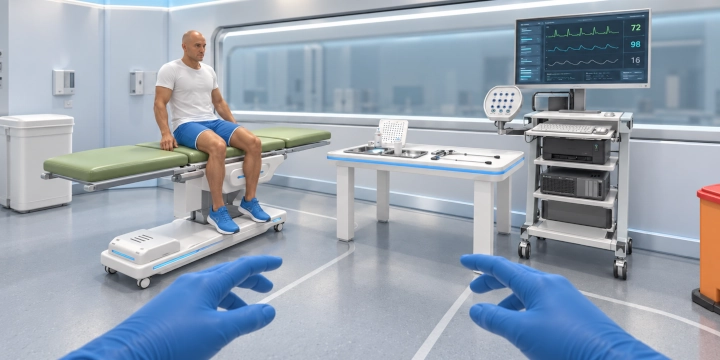
Physiology laboratory
  • Blood Pressure Measurement
  • Electrocardiography (ECG)
  • Nerve Conduction Velocity Calculation
  • Cardiopulmonary Exercise Test
  • Electromyography (EMG)
  • Respiratory Function Test
  • Stethoscope Use and Heart Sounds
Microbiology laboratory (coming soon)
  • Gram Staining
  • Examination of Dermatophytes and Common Fungi Causing Opportunistic Infections
  • Gram-Positive Bacteria Identification
  • Gram-Negative Bacteria Identification
  • Antibiotic Sensitivity Test
  • Examination of Clinically Important Parasites
  • Collection of Clinical Samples, Delivery to the Laboratory, Acceptance and Rejection Criteria
  • Tuberculosis Determination
Junior laboratory
  • Blood Typing
  • Circulatory System
  • Comparison of Plant and Animal Cells
  • Electrical Resistance (Junior)
  • Electrification
  • Energy Conservation on The Earth
  • Excretory System in Humans
  • Heat Exchange and Temperature
  • How Does a Compass Work
  • Introduction to Atomic Models
  • Let's Make a Dynamometer
  • Let's take a closer Look at Microscope
  • Life and Biogeochemical Cycles
  • Meiosis
  • Mitosis
  • Motion Under Net Force and Equilibrium
  • Motion with Constant Speed
  • Newton's Apple
  • Ohms Law And Simple Circuits
  • Plane Mirrors Reflections and Images
  • Plants and Photosynthesis
  • Refraction of Light
  • Reproduction System In Humans
  • Respiratory System in Humans
  • Rough Surfaces and Friction
  • Series and Parallel Circuits (Junior)
  • Skeletal System
  • Sound Formation and Propagation
  • Umbra and Penumbra
  • Using Dichotomous Keys to Identify Animals
  • Using Dichotomous Keys to Identify Microorganisms
  • Using Dichotomous Keys to Identify Organisms
  • Using Dichotomous Keys to Identify Plants
  • Viscosity (junior)
Wellbeing modules

  • Controlled Diet
  • Excellent Sleep
  • Exercise and Flexibility at the Beach
  • Exercise and Flexibility at the Beach at Night
  • Exercise and Flexibility in the Forest
  • Meditation and Mindfulness at the Beach
  • Meditation and Mindfulness at the Beach at Night
  • Meditation and Mindfulness in the Forest
  • Toxin-Free Living

Fluid mechanics and Thermodynamics laboratory
  • Ideal Gas Law 
  • Specific heat of solids and liquids 
  • Thermal Expansion of Metals
Medical biochemistry Laboratory
  • Introduction to Laboratory and Solution Preparation
  • Kinetic Enzyme Activity Measurement
  • Lipids - Halogenation & Salkowski Test
  • Qualitative Determination of Carbohydrates
  • Quantitative Protein Assay Using Biuret Reagent

  • UV-Vis Spectrophotometer and Beer-Lambert Law
First aid laboratory (coming soon)

  • Intravenous Line Insertion Simulations
  • Basic Life Support (BLS) Applications
  • Monitoring Applications
  • Defibrillation and CPR Applications
  • Intubation Applications
  • Tourniquet Application

FAQs

How does Practice work?

Our software works with real time data, real formulas and actual results. Students can save and share received data. Our experiments do not only run with simulations and animations, but also give students the experience of an actual experiment process.

Do Science Labs correlate with any curriculum standards?

Yes! Science Labs are aligned with major international curriculum standards, including the International Baccalaureate (IB) Programme, Advanced Placement (AP) Program, General Certificate of Secondary Education (GCSE), International General Certificate of Secondary Education (IGCSE), Advanced Level (A Level) and Advanced Subsidiary (AS Level) qualifications, Next Generation Science Standards (NGSS) along with the Republic of Türkiye Ministry of National Education (MEB) curriculum. Our science team continuously works to support the needs of educators and learners across different educational systems.


For more detailed information, please refer to the ​curriculum mapping list​.

How many experiments does Practice have?

Our team developed more than hundred experiments from ten different disciplines. We have Practice Junior, Biology, Chemistry, Electric, Mechanics, Modern Physics, Thermodynamic, Medical Biochemistry, Optics and Waves laboratories. Every month we add new experiments. If you can not find a required one in our portfolio, connect with Practice and our team will develop it.

Does Practice integrate with Learning Management System?

Yes! Our integration works with any LMS. We try to make Practice usage as comfortable as possible. The integration saves time, reduces manual tasks, makes Single sign-on process possible and offers access to students performance datas.

Are Science Labs experiments available in different languages?

Yes! Science Labs experiments are available in English, Spanish, and Turkish, with selected experiments also offered in Arabic, French, and Italian. We strive to provide the most comfortable and accessible experience for our users, and we believe language should never be a barrier to learning.

Who can use Practice?

All students starting from primary school to university can find suitable science experiments in Practice portfolio. Initially we created Practice for high school and university level students. However, recently we added Practice Junior for primary and middle school students. So, now everyone can experience science without any limit.

What should I do if the experiment doesn’t open?

First, make sure your device meets the minimum requirements listed in this ​document​. Then:
 

  • Restart your device
  • Check your internet connection
  • Close other open applications
     

Make sure your browser or device software is updated
If the issue continues, contact your IT support team or Science Labs support.

Why is the experiment running slowly?

This may happen if:

  • Your internet connection is unstable
  • Too many apps are running in the background
  • Your device does not meet the recommended specifications
     

Using the recommended hardware will provide the best experience. Please check the minimum hardware requirements listed in this ​document​.

Which browser should I use on a PC or Mac?

For best results, use the latest version of:

  • Google Chrome
  • Microsoft Edge
  • Safari (Mac)
Do I need a fast internet connection?

Yes. A stable internet connection (at least 20 Mbps recommended) helps ensure smooth loading and performance.

Who should I contact if I still have problems?

If troubleshooting does not resolve the issue, please contact your IT department or Science Labs support and share:

  • Your device type
  • Your operating system version
  • A screenshot of any error message
What devices can I use to access Science Labs?

Science Labs can be accessed on desktops, laptops, tablets and VR headsets via supported browsers. Please check the minimum requirements listed in this ​document​.

Do I need to download any app to access Science Labs?

No. Science Labs runs via supported browsers. No additional app is required.