A researcher’s ally in data interpretation and validation
December 16, 2024


Data is crucial for modern research, yet managing it effectively remains a major challenge across disciplines. The volume, complexity, and quality of data often determine research success, leaving many researchers questioning their data and methodologies. Poor data quality costs organizations $12.9 million annually and has led to $321 billion in fines for global banks between 2008 and 2020. Robust data management solutions are essential, and AI offers a transformative approach to data interpretation and validation, helping researchers maximize their datasets, ensure sound methodologies, and communicate results effectively.
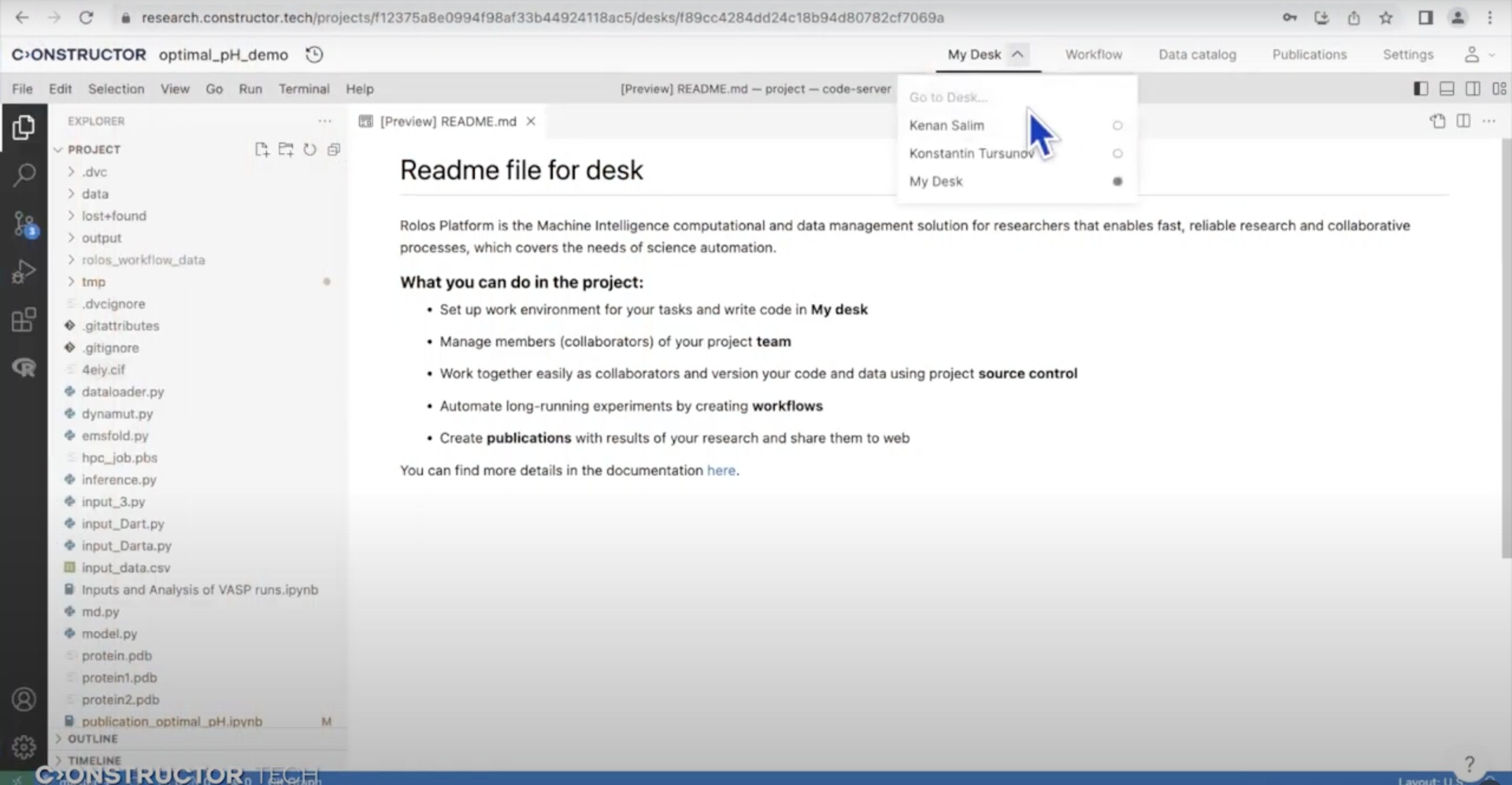
With datasets growing exponentially, managing data has become a bottleneck. From inconsistencies and unstructured formats to manual errors, researchers often spend more time cleaning and organizing data than analyzing it. AI, with its ability to process and unify vast datasets, eliminates these inefficiencies.
Statistics are the backbone of rigorous research, yet many researchers struggle to select and apply the correct methods. The fear of misinterpretation often limits the depth and breadth of their analysis. AI bridges this gap by recommending the most suitable techniques based on the dataset’s structure.
Manual validation methods are reactive, time-consuming, and error-prone. Studies reveal that traditional data remediation processes catch only 9% of errors, leaving significant inaccuracies undetected. This introduces bias and risks undermining the reliability of research findings.
Research doesn’t end with data analysis; effectively communicating results is just as important. Whether addressing academic peers, policymakers, or industry stakeholders, researchers need clear, impactful presentations. However, turning complex data into meaningful narratives is a challenge many face.
Effective research today relies on managing and analyzing complex datasets efficiently. Platforms transform this process by integrating machine intelligence, enabling researchers to focus on innovation rather than manual tasks. By unifying datasets and automating workflows, researchers achieve a reduction in manual processing, freeing up time for strategic work. AI enhances methodology selection by analyzing data structures and recommending precise analytical methods, ensuring statistical rigor. It validates research by identifying biases and anomalies early, preventing errors and ensuring reliable outcomes. Additionally, AI-driven tools, such as Constructor Research, foster collaboration, speed up data processing, and enhance insights.
“We use Constructor Research to unify data produced by different research groups, run machine intelligence on the dataset, and accelerate our research as a result.”
This year, the transformative power of artificial intelligence and machine learning (AI/ML) was celebrated with Nobel Prizes awarded to pioneering researchers:
Physics Nobel Prize: Awarded jointly to John Hopfield and Geoffrey Hinton for their foundational discoveries and inventions that enable machine learning with artificial neural networks. Hopfield developed associative neural networks, known as Hopfield networks, which have been instrumental in advancing AI. Hinton, often referred to as the "godfather of AI," made significant contributions, including the development of the Boltzmann machine, which have been pivotal in the evolution of deep learning.
Chemistry Nobel Prize: Awarded jointly to Demis Hassabis and John Jumper for their work on protein structure prediction using AI. Their development of AlphaFold, an AI program capable of predicting 3D protein structures with high accuracy, has revolutionized computational biology and has significant implications for drug discovery and understanding diseases.
AI is redefining research by streamlining processes, enhancing accuracy, and amplifying impact. Tools bridge the gap between data complexity and actionable insights, empowering researchers to drive discoveries across disciplines and tackle pressing global challenges with confidence.