A day in the life of a cheater : The hidden notes dilemma
03 October, 2024


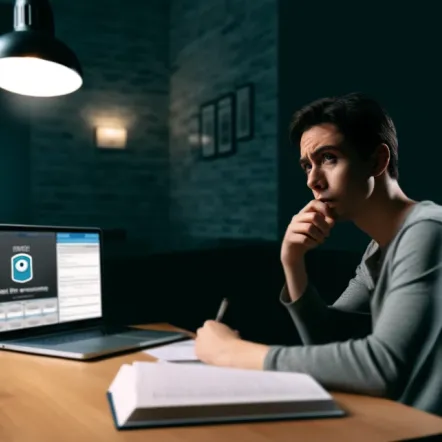
Alex is a savvy student who's been juggling a busy schedule - between part-time work, extracurricular activities, and a social life, studying has taken a backseat. With an important online exam looming, Alex feels unprepared and anxious about the potential impact on their grades.
After the failed identity swap, Alex realizes that getting someone else to take the exam isn't as simple as it seemed. Determined not to be caught off guard again, Alex devises a new strategy: using hidden notes during the exam.
"I'll surround my monitor with sticky notes," Alex thinks. "If I place them just outside the camera's view, the proctoring system won't notice, and I'll have all the answers right in front of me."

On the day before the exam, Alex meticulously writes out key formulas, definitions, and answers on small sticky notes. Carefully, they arrange them around the edges of the laptop screen, adjusting the positioning to ensure they're just out of the webcam's frame.
"Perfect," Alex smiles, feeling confident. "This time, there's no way the system will catch me."
Feeling a mix of nerves and excitement, Alex logs into the exam portal. The familiar prompt appears:
"Please complete the environment scan to proceed."
Following instructions, Alex slowly pans the webcam around the room, making sure to avoid revealing the sticky notes. Satisfied, the system allows access to the exam.
As the test begins, Alex glances subtly at the notes, answering questions with newfound ease.
"This is going smoothly," Alex thinks, feeling a sense of relief.
What Alex doesn't realize is that Constructor Proctor's advanced AI is hard at work. The system monitors not just the screen but also eye movements and unusual behaviors. Frequent glances away from the screen, especially in specific patterns, raise red flags.
Midway through the exam, a notification pops up:
"Alert: Suspicious behavior detected. Please keep your focus on the screen."
Startled, Alex sits up straight. "Was that directed at me?" they wonder.
Trying to act normal, Alex continues the exam, attempting to minimize glancing at the notes. But old habits die hard, and soon enough, the eyes drift again.
Another notification appears:
"Final Warning: Continued suspicious behavior may result in termination of the exam."
Panic sets in. Alex realizes that the system is more perceptive than anticipated.
Deciding not to risk further action, Alex pushes the sticky notes off the desk, out of sight. The remainder of the exam is spent relying solely on memory.
After submitting the exam, Alex breathes a sigh of relief, hoping that the earlier warnings won't have serious repercussions.
However, later that day, an email arrives from the instructor:
"Dear Alex, Our proctoring system detected multiple instances of suspicious behavior during your recent exam. We would like to schedule a meeting to discuss this matter further. Sincerely, Professor Thompson"
Alex's heart sinks. The realization hits that attempting to cheat has only led to more trouble.
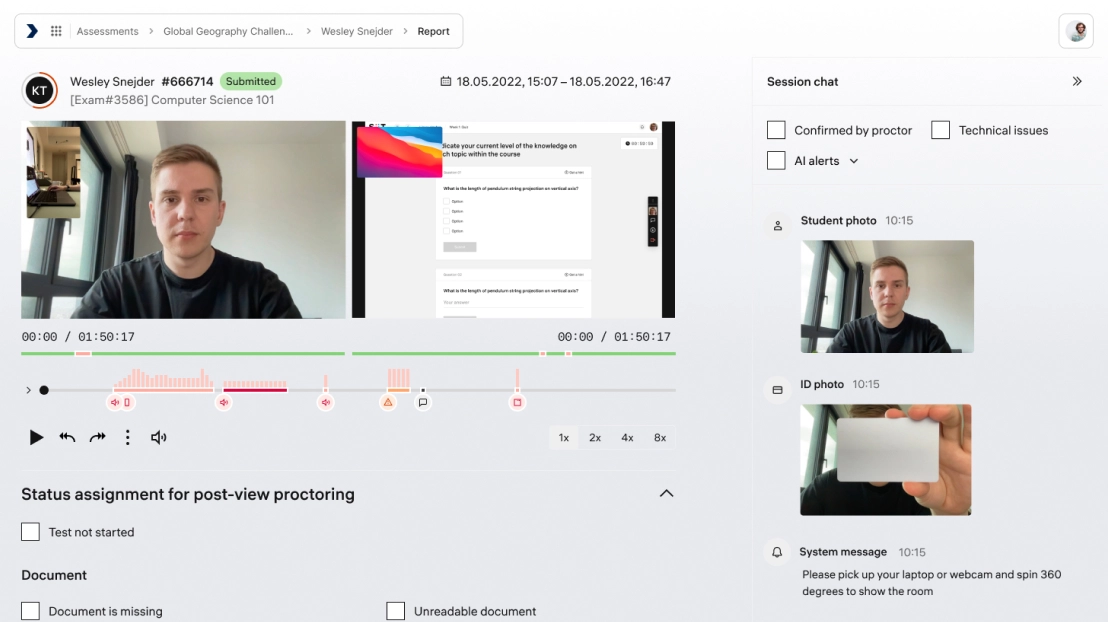
Alex's experience highlights that physical cheating methods are no match for intelligent proctoring systems. Relying on hidden notes or other unauthorized aids not only undermines the learning process but also carries significant risks.
The takeaway? Integrity and honest effort are the best paths to success. Shortcuts may seem tempting but often lead to unintended consequences.