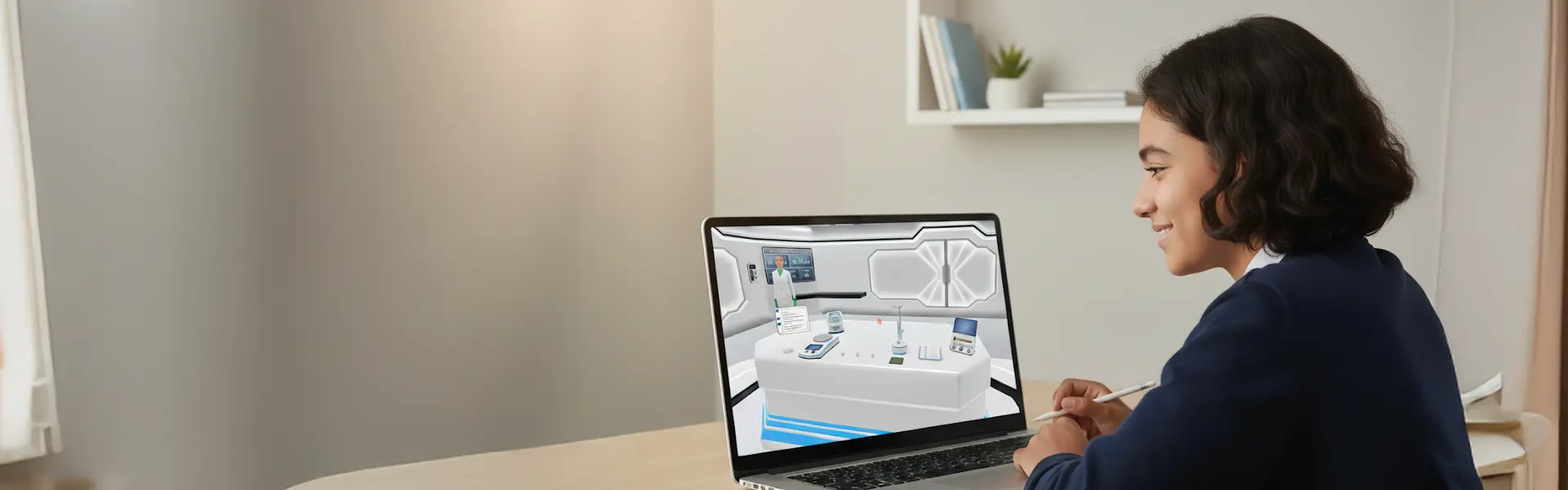
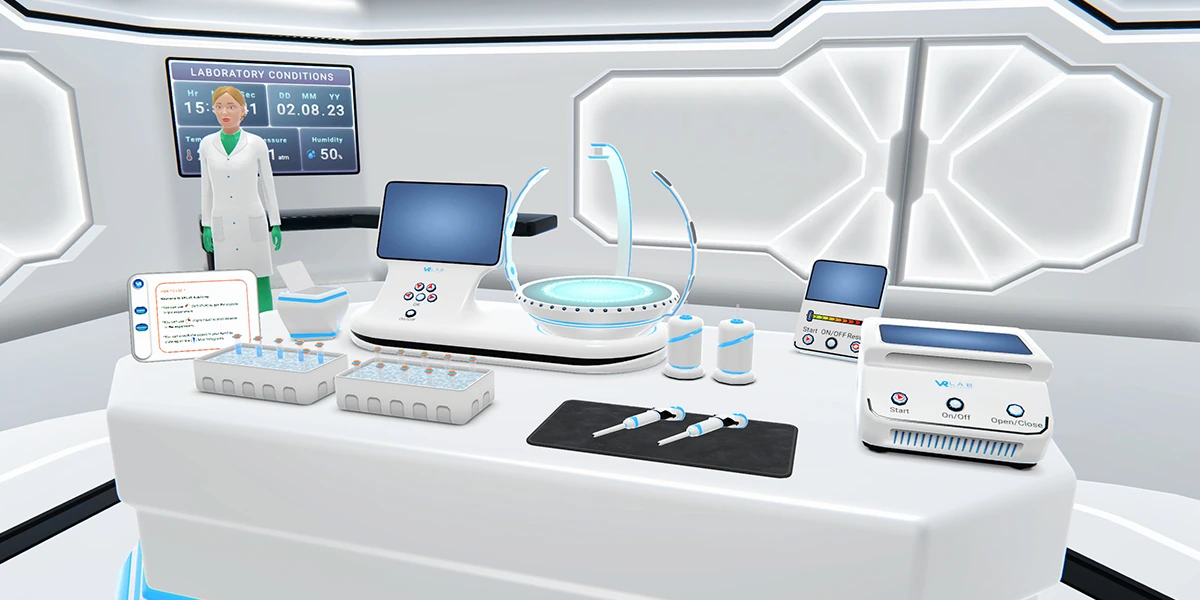
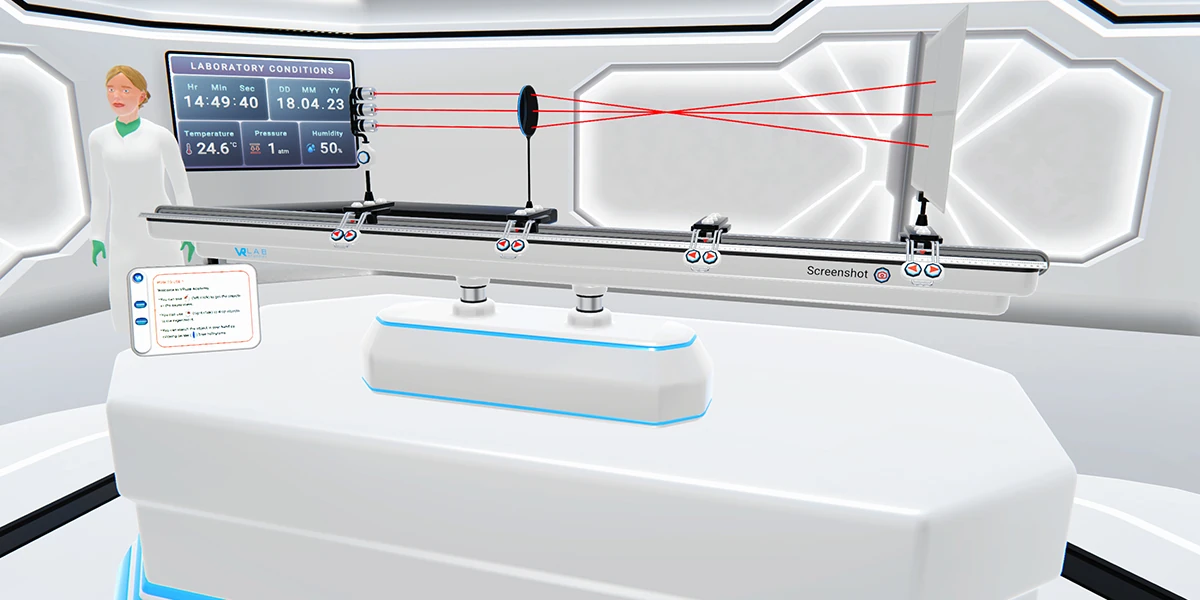
Practice Science Experiments main hero

Science Labs

164 curriculum-aligned STEM experiments from real formulas, with no lab equipment, bookings, or consumables.

Recognized for innovation and evidence

Shortlisted for the QS Reimagine Education Awards 2026

Practice Science Labs has been shortlisted for the QS Reimagine Education Awards 2026 in the Immersive Experiential Learning category.

It was selected from 2,226 submissions worldwide after four rounds of review by a panel of 1,634 international higher education and edtech experts, who judged entries on innovation, impact and scalability.
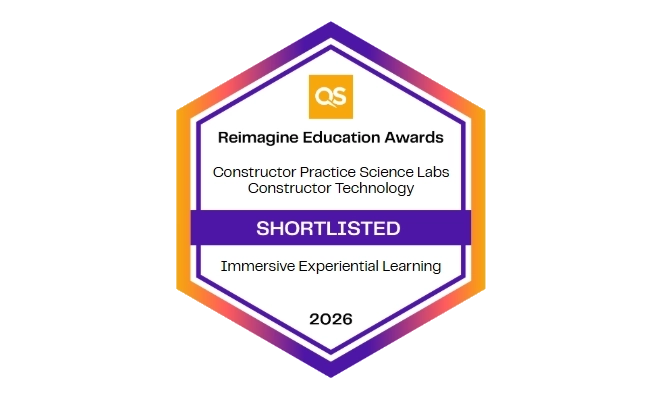
QS Reimagine Education Awards 2026 Shortlisted badge – Constructor Practice Science Labs, Immersive Experiential Learning

ESSA Level IV certified: demonstrates a rationale

Constructor Practice Science Labs has been independently validated by LearnPlatform by Instructure as meeting the criteria for ESSA Level IV, “Demonstrates a Rationale”, under the Every Student Succeeds Act (ESSA).
Constructor Practice Science Labs has been independently validated by LearnPlatform by Instructure as meeting the criteria for ESSA Level IV, “Demonstrates a Rationale”, under the Every Student Succeeds Act (ESSA).

164

experiments across 13 disciplines

40+

countries using Science Labs

ESSA Level IV

independently validated

QS 2026

shortlisted for the QS Reimagine Education Awards

Students run every step themselves, from manual to measured result

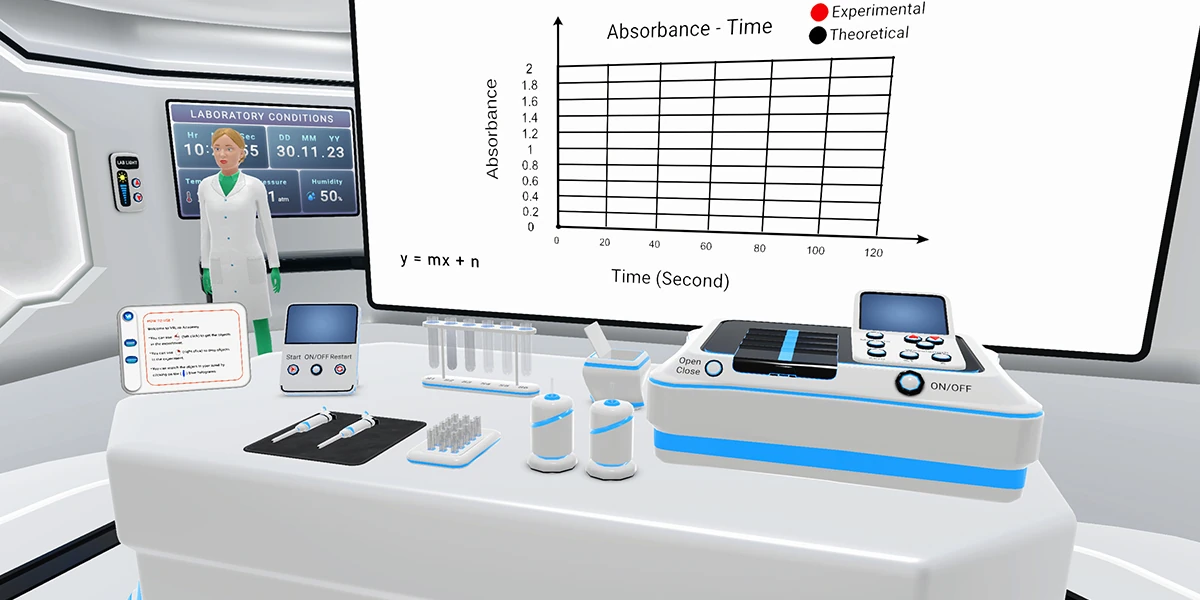
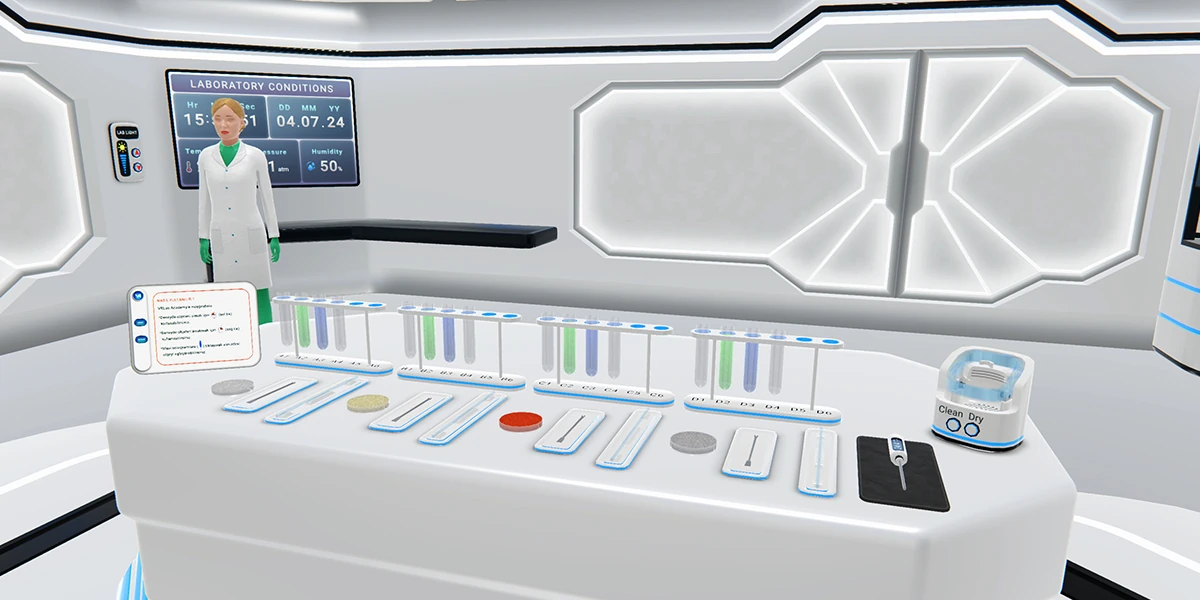
This two-minute trailer follows one experiment, Kinetic Enzyme Activity Measurement, from start to finish. The student opens it from a course, reads the manual, sets the micropipette, and records absorbance on the spectrophotometer. Their measured curve is plotted against the theoretical one, so a mistake in the procedure shows up in the data.
Watch
Practice Science Labs trailer: kinetic enzyme activity

Give K–12 and early university students hands-on STEM learning

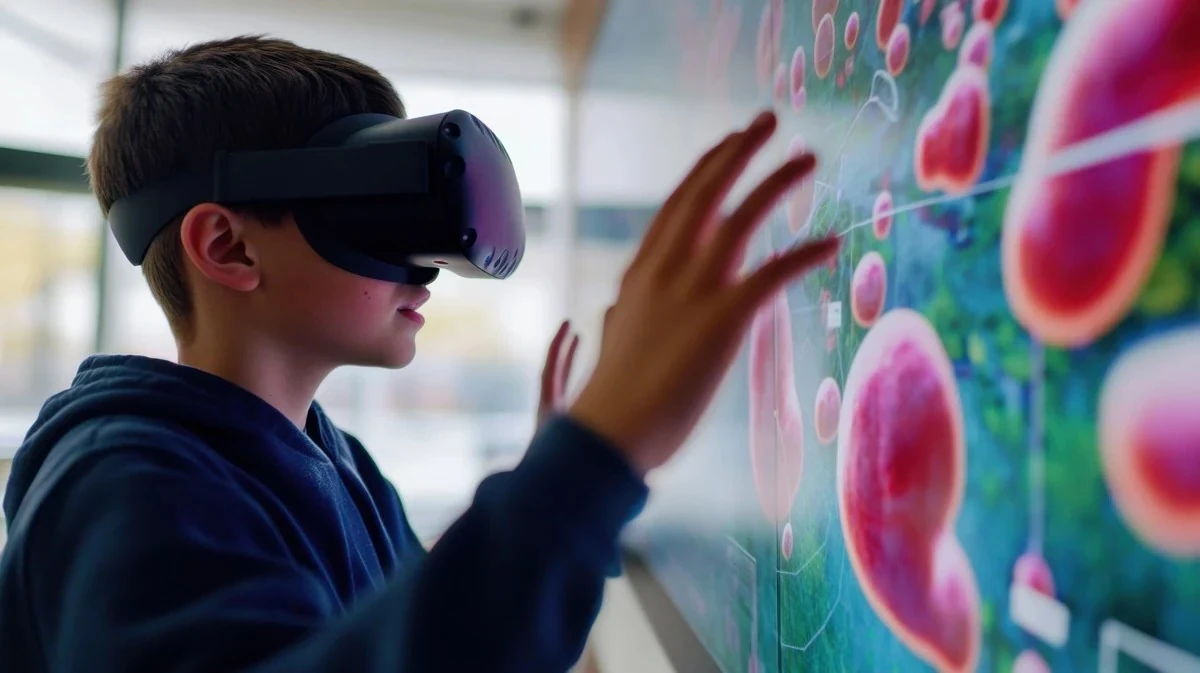
Constructor Science Labs is a library of 164 virtual science experiments that solve the underlying physics, chemistry, and biology at run time, so students get real results from what they actually did rather than a replay of the correct answer. 

It runs in the browser on laptops, tablets, and VR headsets, with pre-built lessons, automated assessment, and results that flow back through your LMS. Built for K–12 schools, colleges, and universities that need practical science work to reach every student, including remote and hybrid cohorts.
Virtual labs

Key capabilities

164 experiments

Curriculum-aligned practicals across 13 disciplines, mapped to IB, AP, GCSE, and NGSS.

Any device, anywhere

Browsers on PCs, laptops, and tablets, plus VR headsets. Nothing to install.

Pre-built lessons and progress tracking

Assign a ready lesson and see who completed what.

LMS integration

Single sign-on and performance tracking with any major LMS.

Safe, repeatable practice

Students repeat an experiment as often as they need, at no cost in reagents or risk.

Automated assessment

Work is marked as students go, so a class of 30 is not 30 scripts to grade.

Real-data engine

Results are computed from real formulas at run time, not scripted animations.

Multilingual delivery

Full catalog in English, Spanish, and Turkish; selected experiments in German, Italian, Arabic, and French.

Monthly catalog growth

New experiments published every month and included in the license.

Where science gets hands-on

164 published experiments across 13 disciplines, from primary science to university and health programs.
Practice-Science-Experiments-Chemistry-Labs
Chemistry

38 experiments
Secondary and exam classes
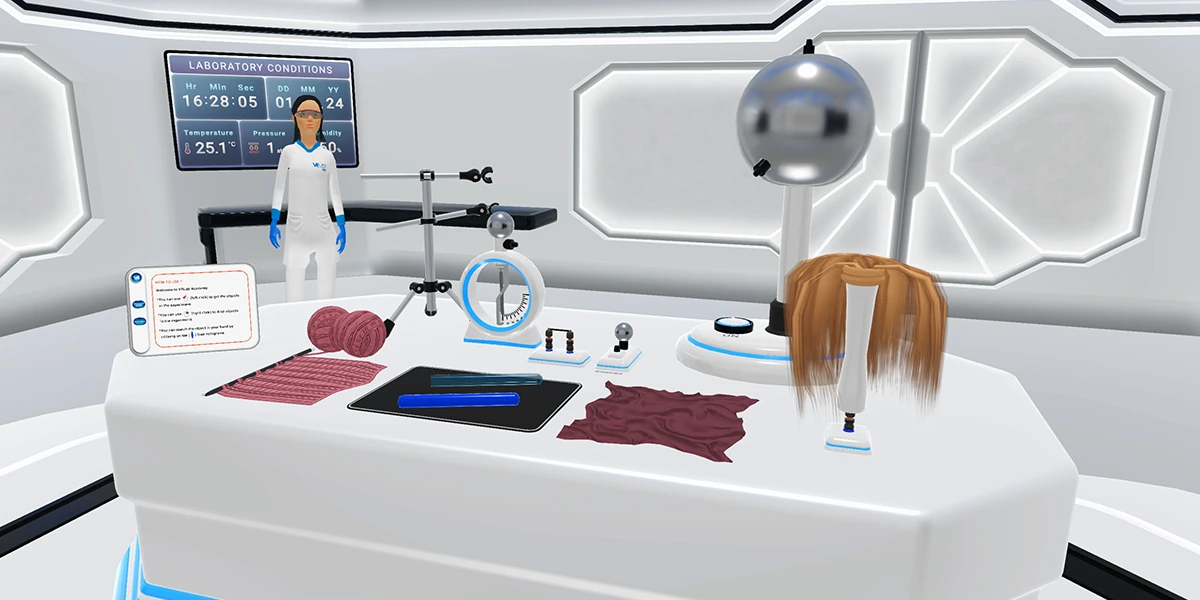
Practice-Science-Experiments-Early-Science-Labs
Early science (junior)

37 experiments
Primary and lower secondary
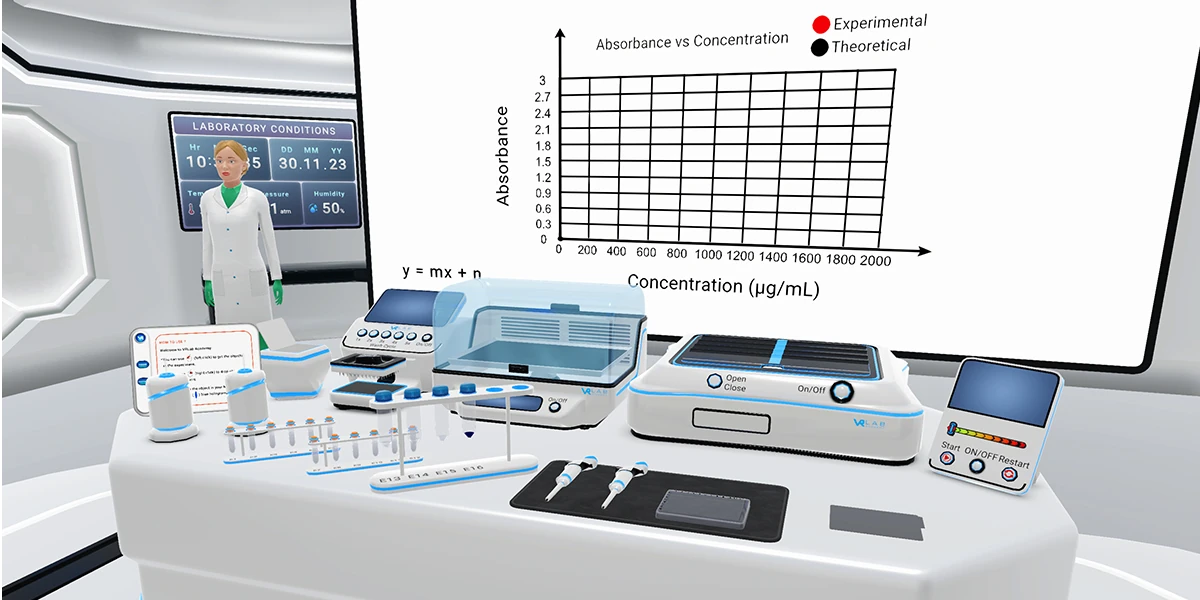
Practice-Science-Experiments-Biology-Labs
Biology

19 experiments
Secondary and exam classes
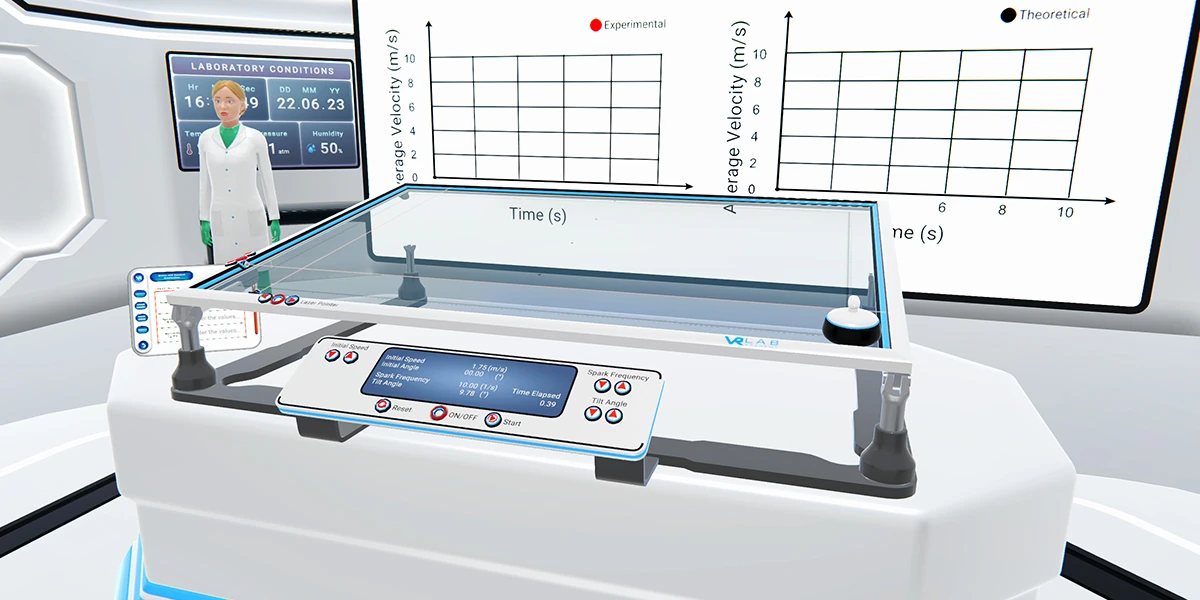
Practice-Science-Experiments-Mechanics-Labs
Mechanics

13 experiments
Secondary and exam classes
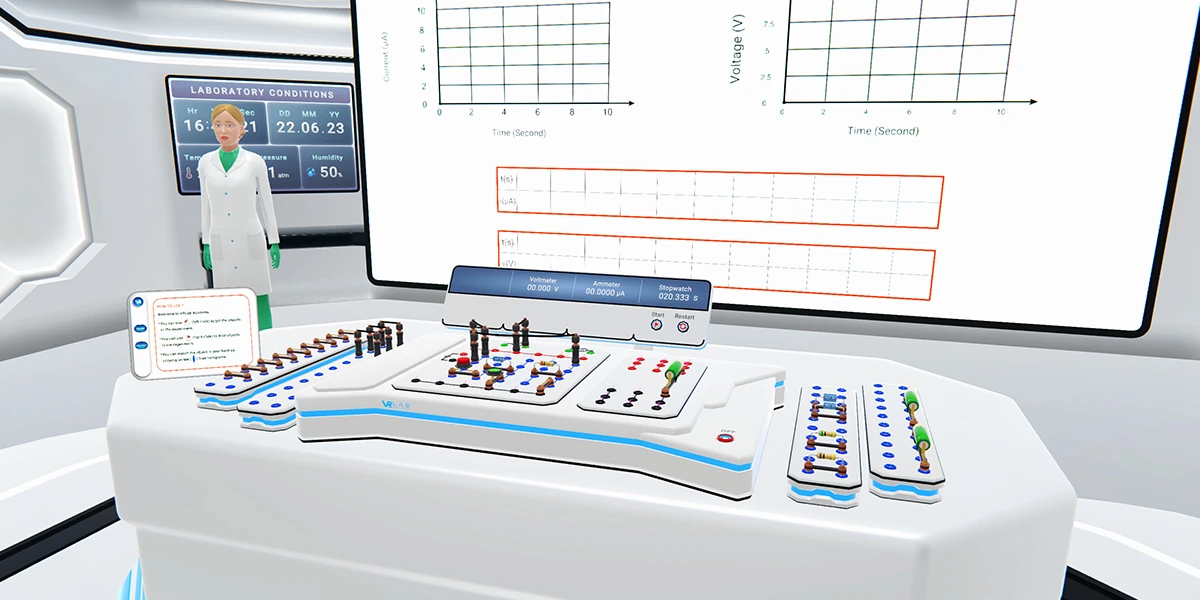
Practice-Science-Experiments- Electromagnetism-Labs
Electromagnetism

12 experiments
Secondary and exam classes
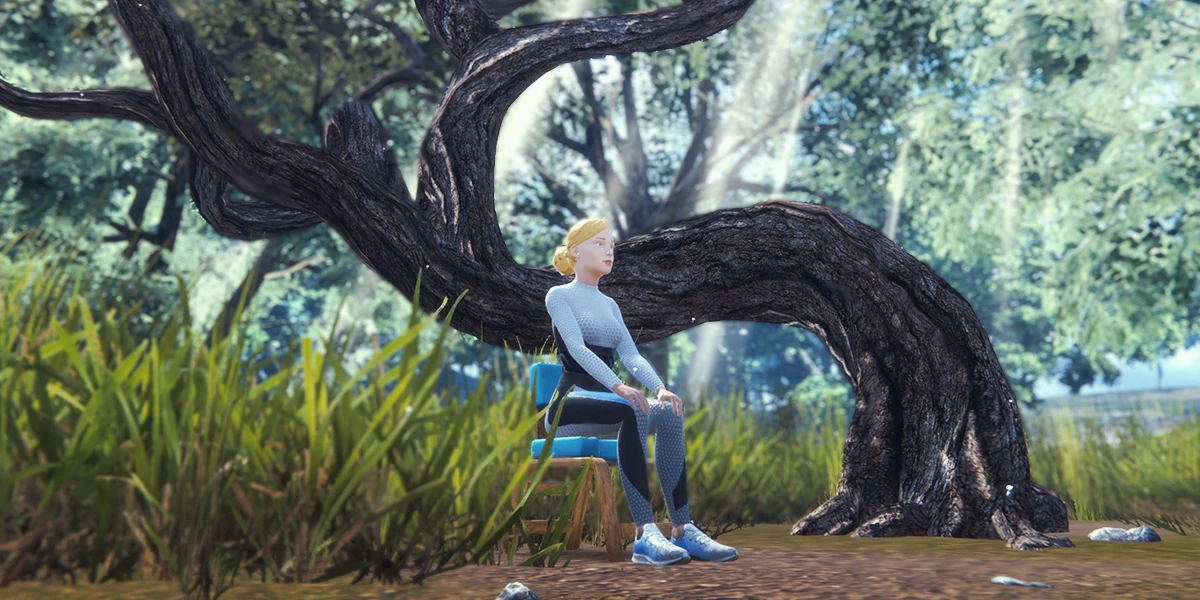
Practice-Science-Experiments-Wellbeing-Labs
Wellbeing

9 modules
Primary and secondary

Practice-Science-Experiments-Molecular-Biology-Labs
Molecular biology

8 experiments
University and health

Practice-Science-Experiments-Optic-and-Waves-Labs
Optics and waves

7 experiments
Secondary and exam classes
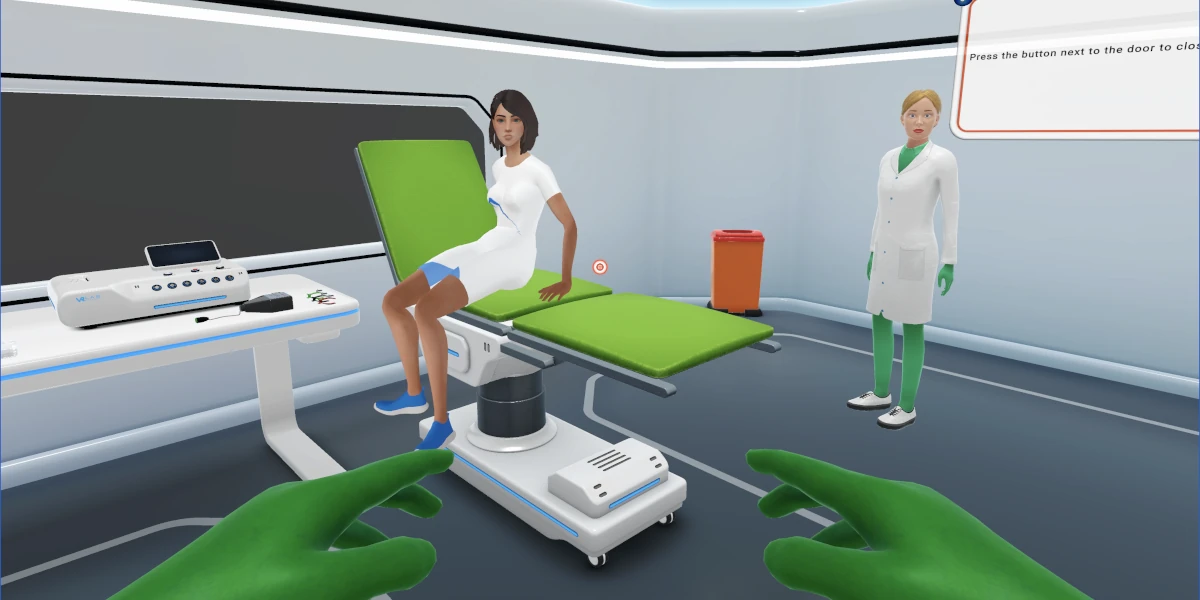
Practice-Science-Experiments-Physiology-Labs
Physiology

7 experiments
University and health

Practice-Science-Experiments-Medical-Biochemistry-Labs
Medical biochemistry

6 experiments
University and health

Practice-Science-Experiments-Modern-Physics-Labs
Modern physics

5 experiments
University and early undergraduate
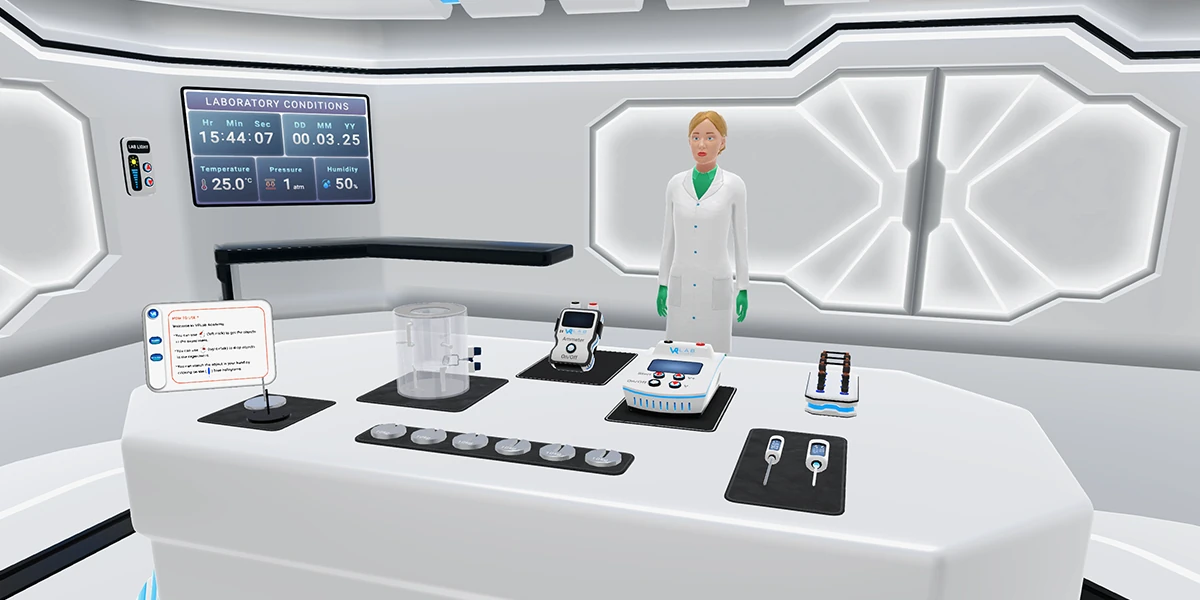
Practice-Science-Experiments-Thermodynamics-Labs
Fluid mechanics and thermodynamics

3 experiments
Secondary and exam classes
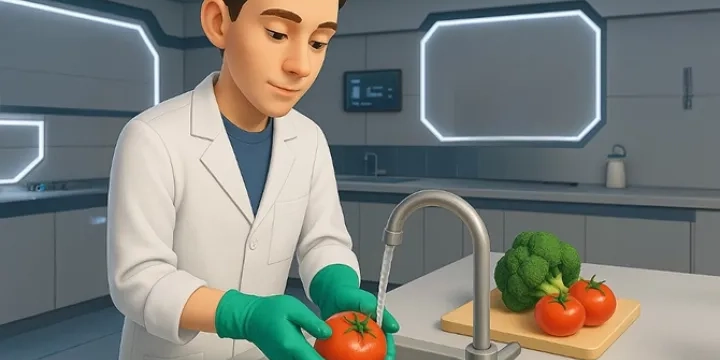
Food safety training

1 experiment
Vocational

Practice-Science-Experiments-Molecular-Biology-Labs
Coming soon: microbiology

8 experiments
University and health

Practice_Science_Labs_First_Aid
Coming soon: first aid

6 simulations
Vocational and health

Experiments list by subjects

  • Acid Base Titration with Indicators: The Acidity of Beverages
  • Acid-Base Experiment
  • Acid-Base Titration with a pH meter: The Identification of an Unknown Acid Solution
  • Atomic Structure - Flame Test For Metals
  • Boiling Point Elevation
  • Bonding and Structure - Conductivity of ionic vs covalent substances
  • Bonding in Solids
  • Buffer Design
  • Buffering Activity
  • Chemical Equilibrium Iron III Thiocyanate Complex Ion
  • Copper Content of Brass
  • Determining the Copper Content of a Brass Sample
  • Determining the Heating Curve of Water
  • Displacement Reactions Between Metals and Their Salts
  • Enthalpy change of solutions
  • Equilibrium Constant: Iron Thiocyanate Complex Ion
  • Identification of Anions
  • Identification of Cations
  • Introduction to Organic Chemistry
  • Ion Responsible For the Wavelength of Maximum Absorption
  • Ionic & Covalent Bonds
  • Kinetics - Concentration Effect on Rate
  • Molecular Shape Modeling
  • Paper chromatography
  • Precision and Accuracy in Laboratory Measurements
  • Rate Laws
  • Redox Titration: Determination of H2O2 concentration
  • Separating Mixtures
  • Separation by Extraction
  • Separation by Separatory Funnel
  • Separation by Simple Distillation
  • Solubility in Solid-Liquid Solutions
  • Solubility in Solid-Liquid Solutions With Ca(OH)2
  • Solubility in Solid-Liquid Solutions With KNO3
  • Test for Functional Groups in Organic Compounds
  • The Hydrogen Emission Spectrum
  • The Law of Conservation of Mass
  • The Law of Definite Proportions: The Empirical Formula of a Metal Oxide
  • The Law of Definite Proportions: The formula of Hydrate
  • UV-Vis Spectrophotometer and Beer-Lambert Law
  • Active Transport
  • Animal Behavior
  • Asexual Plant Propagation: Stem Cutting
  • Bacterial Transformation
  • Blood Cells
  • Cellular Respiration
  • Decay of Milk
  • DNA Isolation and Determination of Quantity and Purity
  • Effect of pH on Amylase
  • Energy Flow in Ecosystem
  • Enzyme Activity: Function of Catalase
  • Factors that Affect Mitosis
  • Factors That Affect Photosynthesis I - Light and Chlorophyll Content
  • Measuring Cell Size
  • Meiosis and Crossing Over
  • Mitosis and meiosis
  • Passive Transport: Osmosis
  • Quadrat Sampling
  • Testing for Carbohydrates, Proteins and Lipids
  • Transpiraton in Plants
  • Angular Momentum
  • Atwood's Machine
  • Collision in One Dimension
  • Friction Forces
  • Harmonic Motion in Springs
  • Hookes Law and Springs
  • Linear Motion
  • Measurement and Uncertainty
  • Newton's Laws of Motion
  • Projectile Motion
  • Rotation of Rigid Bodies
  • Simple and Damped Pendulum
  • Work-Energy Theorem and Mechanical Energy
  • Electron's Charge to Mass (e/m) Ratio
  • Millikan Oil-Drop Experiment
  • Penetration Power of Radioactive Radiation
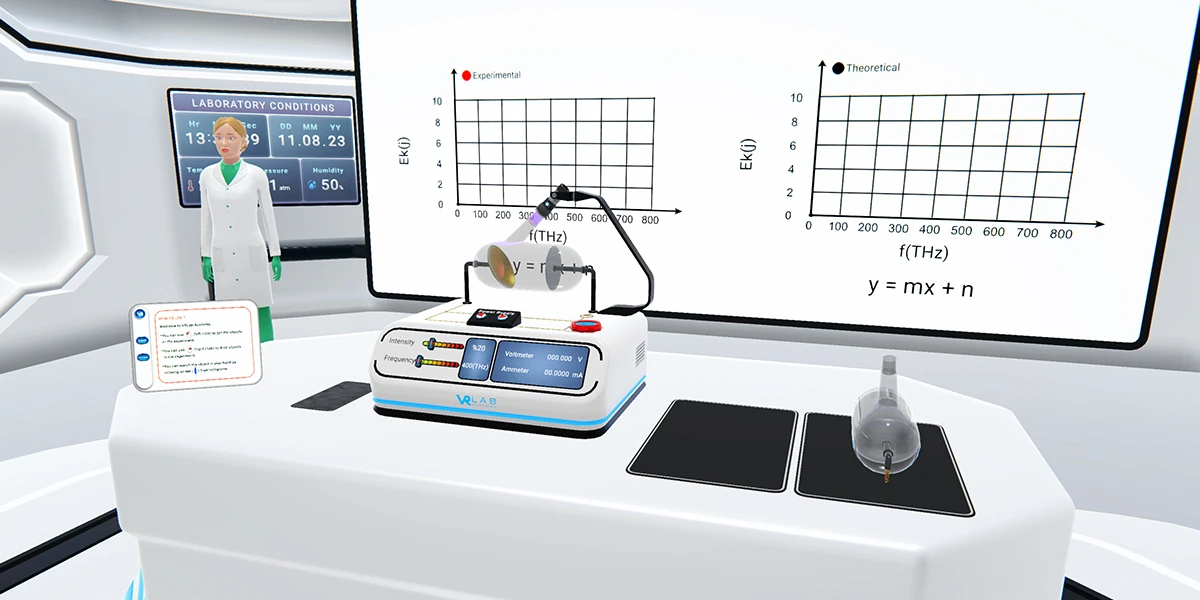
  • Photoelectric Effect
  • The Hydrogen Emission Spectrum
  • Biot-Savart Law
  • Coulomb's Law
  • Diodes
  • Electrical Resistance
  • Electrostatics
  • Equipotential Lines and Electric Filed
  • Faraday's Law of Induction
  • Magnetic Field Pattern
  • Magnetic Force and Current Balance
  • Ohm's Law
  • RC Circuits
  • Resistors in Series and Parallel
  • Kundt's Pipe
  • Lenses And Images
  • Lenses and Images: Concave Lenses
  • Lenses and Images: Convex Lenses
  • Snells Law and Refraction Finding Critical Angle
  • Snell's Law of Refraction Measuring Refractive Index
  • Young's Double Slit Experiment
  • Design of PCR Primers and Gradient PCR
  • DNA Isolation and Determination of Quantity and Purity
  • Enzyme-Linked Immunosorbent Assay (ELISA)
  • Protein Denaturation and Vertical Electrophoresis
  • Protein Determination with Bicinchoninic Acid Assay
  • Protein Imaging with Coomassie Blue
  • Protein Isolation
  • Western Blot
  • Blood Pressure Measurement
  • Electrocardiography (ECG)
  • Nerve Conduction Velocity Calculation
  • Cardiopulmonary Exercise Test
  • Electromyography (EMG)
  • Respiratory Function Test
  • Stethoscope Use and Heart Sounds
  • Gram Staining
  • Examination of Dermatophytes and Common Fungi Causing Opportunistic Infections
  • Gram-Positive Bacteria Identification
  • Gram-Negative Bacteria Identification
  • Antibiotic Sensitivity Test
  • Examination of Clinically Important Parasites
  • Collection of Clinical Samples, Delivery to the Laboratory, Acceptance and Rejection Criteria
  • Tuberculosis Determination
  • Blood Typing
  • Circulatory System
  • Comparison of Plant and Animal Cells
  • Electrical Resistance (Junior)
  • Electrification
  • Energy Conservation on The Earth
  • Excretory System in Humans
  • Heat Exchange and Temperature
  • How Does a Compass Work
  • Introduction to Atomic Models
  • Let's Make a Dynamometer
  • Let's take a closer Look at Microscope
  • Life and Biogeochemical Cycles
  • Meiosis
  • Mitosis
  • Motion Under Net Force and Equilibrium
  • Motion with Constant Speed
  • Newton's Apple
  • Ohms Law And Simple Circuits
  • Plane Mirrors Reflections and Images
  • Plants and Photosynthesis
  • Refraction of Light
  • Reproduction System In Humans
  • Respiratory System in Humans
  • Rough Surfaces and Friction
  • Series and Parallel Circuits (Junior)
  • Skeletal System
  • Sound Formation and Propagation
  • Umbra and Penumbra
  • Using Dichotomous Keys to Identify Animals
  • Using Dichotomous Keys to Identify Microorganisms
  • Using Dichotomous Keys to Identify Organisms
  • Using Dichotomous Keys to Identify Plants
  • Viscosity (junior)
  • Controlled Diet
  • Excellent Sleep
  • Exercise and Flexibility at the Beach
  • Exercise and Flexibility at the Beach at Night
  • Exercise and Flexibility in the Forest
  • Meditation and Mindfulness at the Beach
  • Meditation and Mindfulness at the Beach at Night
  • Meditation and Mindfulness in the Forest
  • Toxin-Free Living
  • Ideal Gas Law
  • Specific heat of solids and liquids
  • Thermal Expansion of Metals
  • Introduction to Laboratory and Solution Preparation
  • Kinetic Enzyme Activity Measurement
  • Lipids - Halogenation & Salkowski Test
  • Qualitative Determination of Carbohydrates
  • Quantitative Protein Assay Using Biuret Reagent
  • UV-Vis Spectrophotometer and Beer-Lambert Law
  • Intravenous Line Insertion Simulations
  • Basic Life Support (BLS) Applications
  • Monitoring Applications
  • Defibrillation and CPR Applications
  • Intubation Applications
  • Tourniquet Application

How it works

What it takes a teacher to run a lab, in four steps.

1. Assign

Pick an experiment or pre-built lesson and send it to a class. No lab booking, no technician request.

2. Students run it

On a laptop, tablet, or VR headset, at school or at home, as many times as they want.

3. Assessment happens automatically

Results and answers are marked as students work.

4. Progress lands in your LMS

Completion and performance flow back through single sign-on.

How Science Labs compares

CapabilityConstructor Science LabsPoint tools (e.g. Labster, Beyond Labz, PhET, Gizmos)
What the student getsOften a scripted or pre-recorded outcome
Catalog breadthUsually one band, or one or two disciplines
Curriculum alignmentVaries, often single-market
Evidence baseVaries
DevicesOften browser-only or headset-only
Platform scopeStandalone tool
ComplianceVaries

Who uses Science Labs

K–12 schools

Junior labs for primary and lower secondary, then the full IB, AP, GCSE, and NGSS practical set for exam classes. Every student works alone instead of watching one bench.

Labs: Junior, biology, chemistry, mechanics, wellbeing

Universities and colleges

Foundation and early undergraduate practicals, including the experiments that are normally demonstrations because the instrument is too expensive to hand over (Millikan oil-drop, photoelectric effect, electron e/m ratio). Reaches distance, evening, and satellite cohorts.

Labs: Modern physics, electromagnetism, optics and waves, molecular biology, thermodynamics

Health and medical training

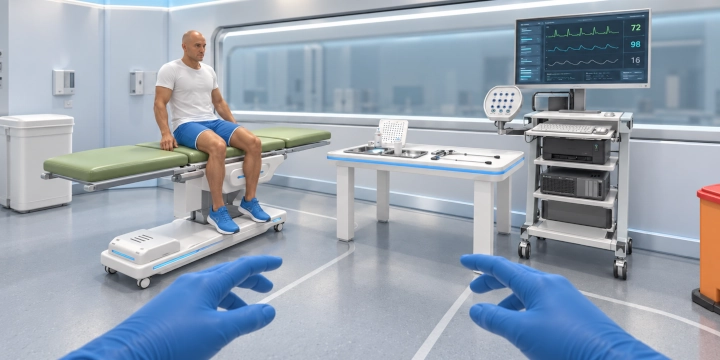
Clinical fundamentals for nursing, allied health, and pre-clinical programs.

Labs: Physiology, medical biochemistry, molecular biology, plus microbiology and first aid coming soon

Vocational and workplace training

Food safety and wellbeing modules for vocational programs and PSHE.

Labs: Food safety, wellbeing
Trusted by

Constructor University logo
Politecnico di Milano logo
New York of Prague logo
Stadt Winterthur logo
Kanton Nidwalden logo
Appenzell Ausserrhoden logo
Virtuozzo logo
Orienta Campus logo
ESCWA logo
HRSE logo

What you get

Foundation

Everything to run labs at scale
  • Full experiment catalog
  • Browser delivery on any device
  • Pre-built lessons
  • Automated assessment
  • Progress tracking

  • LMS integration
  • Monthly catalog additions
Advanced

More reach and deeper insight

  • VR headset delivery
  • Curriculum mapping to a named specification
  • Deeper analytics dashboards
  • Additional language packs
  • Priority support

Integrations & technical specs

LMS & sign-on
  • Integrates with any major learning management system
  • Single sign-on
  • Performance tracking flows back to your LMS
Devices & browsers
  • Desktops, laptops, tablets, and VR headsets
  • Same license and same experiments on every device
  • Latest Google Chrome, Microsoft Edge, or Safari on Mac
Setup & network
  • No app, no plugin, no lab image to maintain
  • A stable connection of at least 20 Mbps is recommended per concurrent student

Compliance, security, and evidence

Curriculum alignment

IB, AP, GCSE, IGCSE, A Level, AS Level, NGSS, and the Turkish MEB curriculum. Experiment-by-experiment mapping sheet on request.

Languages

English, Spanish, and Turkish across the catalog; selected experiments in Arabic, French, and Italian.

Student data protection

GDPR, FERPA, COPPA, SOPIPA.

Security

Data encryption, secure access controls, and regular security audits.

Bring Science Labs to your market

Join a growing network of resellers, integrators, and education providers bringing Constructor Practice to schools, colleges, and universities around the world. Whether you supply science equipment, represent an LMS, or run a regional education business, we offer flexible partnership models designed to create shared value.

Revenue opportunity

Competitive margins and co-selling support on every deal you bring in.

Full enablement

Training, demo environments, co-branded materials, and a dedicated Partner Content Hub.

Go-to-market support

Joint campaigns, lead sharing, and visibility in our Partner Locator.

FAQs

Animations replay a pre-recorded outcome. Science Labs computes results at run time from real formulas and real-time data, so the result depends on what the student actually did. A procedure done badly returns a bad result.

IB, AP, GCSE, IGCSE, A Level, AS Level, NGSS, and the Turkish MEB curriculum. A mapping sheet is available for a specification you teach.

Yes. Science Labs integrates with any learning management system, enabling single sign-on and performance tracking.

Both. The junior catalog is built for primary and lower secondary students, and the main catalog covers exam classes through early university, including physiology and medical biochemistry for health programs.

164 experiments across 13 disciplines, with new experiments added monthly and included in the license. Microbiology and first aid sets are coming soon.

English, Spanish, and Turkish across the catalog, with selected experiments in Arabic, French, and Italian.

See a lab run on your own syllabus

Send us the specification you teach. We will run a live experiment from it, show the teacher and student views, and tell you which experiments map to it.

30-minute demo

A live session with a science specialist.

Curriculum mapping sheet

For your specification, sent after the demo.

Department trial

Trial access for your department if the mapping fits.