Proctored exams: what they are, how they work, and best practices for institutions
23 June, 2026


Proctored exams help institutions protect assessment credibility across in-person, online, and hybrid delivery. For universities, certification bodies, exam teams, and corporate L&D leaders, the challenge is not only understanding what a proctored exam is. The harder task is choosing a model that is secure, scalable, fair to candidates, and realistic for staff to manage.
A proctored assessment is supervised by a person, software, or both. The process helps verify identity, monitor exam conditions, and support consistent rule enforcement across in-person, online, and hybrid settings. In practical terms, the proctored exam meaning has expanded from traditional invigilation to digital oversight, but the core goal is still the same, consistent exam supervision.
Universities, professional certification bodies, licensing organizations, online learning providers, and corporate training teams all use proctored exams. They are most useful when results affect grades, qualifications, compliance, employment, or professional progression. The aim is not to make exams harder for candidates, but to make results more trustworthy for the institution.
A proctored exam usually moves through three stages: setup, monitoring, and review. Each stage should be matched to the risk level of the assessment. A low-stakes quiz should not need the same controls as a final exam or licensing assessment.
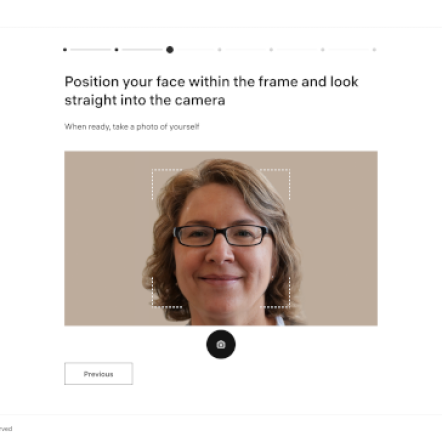
Before the exam starts, candidates may need to confirm their identity, test their device, and show that their environment meets the rules. This can include ID checks, webcam and microphone tests, room scans, or setup through a secure exam browser. Clear instructions reduce confusion and prevent support issues on exam day.
During an online proctored exam, monitoring may be automated, live, or a combination of both. AI can flag unusual activity, while live proctors can step in when immediate judgment or support is needed. The right setup depends on exam stakes, candidate volume, staffing, and institutional policy.
After the exam, flagged sessions may be reviewed by trained staff or exam administrators. The review process should separate technical issues, unclear behavior, and serious policy concerns. When connected with Constructor Assess, exam teams can keep assessment delivery, review activity, and reporting closer together.
Different proctoring modes solve different operational problems. Institutions should choose based on assessment risk, candidate volume, review capacity, and the level of human oversight required. One model rarely fits every exam.
AI-only proctoring uses software to monitor sessions and flag events for review. It can support large volumes where live supervision is not practical for every candidate. Institutions still need clear policies, candidate communication, and a fair review process.
Post-exam review combines automated flagging with later human judgment. This model can work well when you need oversight but not live intervention during every session. It helps balance scale, cost, and fairness when exam volumes are high.
Live active proctoring places a person in the session to supervise candidates in real time. It is often used for higher-risk exams where immediate intervention may be needed. For deeper mode comparison, our Live Proctoring vs AI Proctoring article can help teams decide when live oversight is justified.
Proctoring should be proportionate to the assessment. Over-monitoring low-risk exams can create friction, while under-monitoring high-risk exams can weaken credibility. A simple risk model helps teams apply consistent rules across departments and programs.
Common mode choices include:
Proctored exams help institutions offer flexible assessment without removing oversight. They are useful when candidates are spread across locations, time zones, or learning models. The value comes from combining access with consistent exam controls.
Assessment credibility matters when results carry academic, professional, or compliance value. Proctoring helps apply the same rules across large candidate groups, even when exams are delivered remotely. It also creates a clearer record for review when concerns arise.
Remote and hybrid learners often need assessment options that do not require travel to a test center. A well-planned online proctored exam can support that flexibility while maintaining appropriate oversight. This is especially useful for online programs, distributed workforces, and certification candidates in different regions.
Proctoring can reduce some manual work linked to room booking, invigilation, paper handling, and fragmented review processes. The benefit is strongest when proctoring connects with assessment, LMS, scheduling, and reporting systems. If it sits apart from those workflows, it can become another tool for staff to manage.
A proctoring solution should be evaluated as part of your assessment operation, not as a standalone feature set. Your team needs to understand integration, scalability, data handling, accommodations, and support requirements. The best choice is the one that reduces operational complexity while protecting exam integrity.
LMS and LTI integration matter because candidates and staff should not have to move between disconnected systems. Proctoring may need to connect with course pages, assessment setup, authentication, grades, and reporting. A corporate LMS is also relevant when organizations need proctoring to sit inside a wider learning and assessment workflow.
Scalability matters when many candidates start exams in the same window. Your solution should handle concurrent sessions, late starts, re-sits, and support requests without creating bottlenecks. Ask how live proctor availability, review queues, and reporting timelines change as volume increases.
Proctoring can involve identity data, video, audio, device information, and exam activity. Institutions should review how data is collected, stored, accessed, retained, and deleted. GDPR compliance, data sovereignty, audit logs, and ISO 27001 alignment should be checked early in the procurement process.
Proctored exams must support candidates with approved accommodations. This may include extra time, assistive technology, breaks, or modified exam rules. These workflows should be tested before launch, so candidates are not forced to resolve accommodation issues during the exam.
Strong proctoring depends on process as much as technology. Candidates need clear instructions, staff need defined responsibilities, and reviewers need consistent rules. Planning the full exam journey reduces avoidable disruption.
Exam rules should be shared before the assessment window opens. Candidates need to know what ID is required, what materials are allowed, what behavior may be flagged, and how technical issues are handled. Clear communication protects candidates and reduces support pressure.
Pre-exam checks help prevent last-minute failures. Candidates should test their browser, webcam, microphone, internet connection, and secure browser setup before the exam. Support teams should also provide clear next steps when a check fails.
Different assessments need different levels of supervision. A short knowledge check, final exam, certification test, and regulated licensing assessment should not automatically use the same setup. Matching mode to risk makes the process easier to justify and easier to manage.
Flagged sessions should be reviewed through a consistent process. Reviewers need clear criteria for dismissing, escalating, or investigating a flag. Teams should also track recurring issues, such as unclear rules or technical patterns that create unnecessary flags.
Proctored exams are useful wherever results need to be trusted across distributed candidate groups. The specific use case changes by sector, but the operational need is similar. Teams want secure, scalable, and reliable assessment without unnecessary friction.
Universities use proctored exams for online courses, distance learning programmes, high-enrolment modules, resits, and formal assessments. Proctoring helps apply consistent rules across campuses, departments, and remote learners. The challenge is making the process proportionate, accessible, and clearly governed.
Certification bodies and licensing organisations often run exams where results have professional consequences. These programmes may need identity checks, secure delivery, audit trails, and documented review. Proctoring helps support access while keeping oversight consistent.
Corporate L&D teams may use proctored exams for compliance, skills validation, certification, or role-based assessment. Remote proctoring can support distributed teams without requiring every employee to attend a physical testing site. The level of monitoring should match the business risk attached to the result.
Constructor Proctor supports AI proctoring, live proctoring, secure browser controls, and exam security for institutions that need flexible assessment oversight. Teams evaluating online proctoring software should look for a platform that supports different exam risk levels without forcing every assessment into the same model. As part of Constructor Tech's all-in-one platform, Constructor Proctor sits within an integrated ecosystem built for education and research.
The goal is not to add another disconnected exam tool. It is to help organizations reduce fragmented tools, improve consistency across exam workflows, and focus on measurable outcomes. Implementation still needs careful planning around candidate communication, staff training, data privacy, accommodations, and long-term partnership.
A proctored exam is supervised by a person, software, or both. An unproctored exam is completed without active monitoring during the session. Institutions usually choose proctoring when results carry higher academic, professional, or compliance value.
Yes, a proctored exam can often be taken at home if the institution allows remote delivery. Candidates usually need a suitable device, webcam, microphone, internet connection, and quiet space. Requirements should be shared before the exam date.
A proctor may check candidate identity, device setup, webcam, microphone, room environment, and permitted materials. Some exams also require a secure browser or environment scan. These checks help confirm that the candidate is ready and understands the rules.
Institutions should configure approved accommodations before the exam starts. This may include extra time, breaks, assistive technology, or modified monitoring rules. The process should protect candidate privacy while giving support teams the information they need.
The number depends on the proctoring mode, platform capacity, exam risk, and staffing model. AI-only monitoring usually supports higher volumes than live active proctoring, but human review may still be needed. Institutions should ask about concurrent capacity, support coverage, and review turnaround times.