

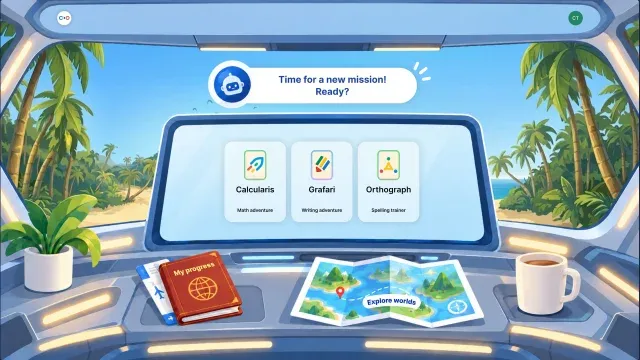
Children choose their learning plan, start in the cockpit and trace a letter stroke by stroke. Learner content is in German.
Grafari
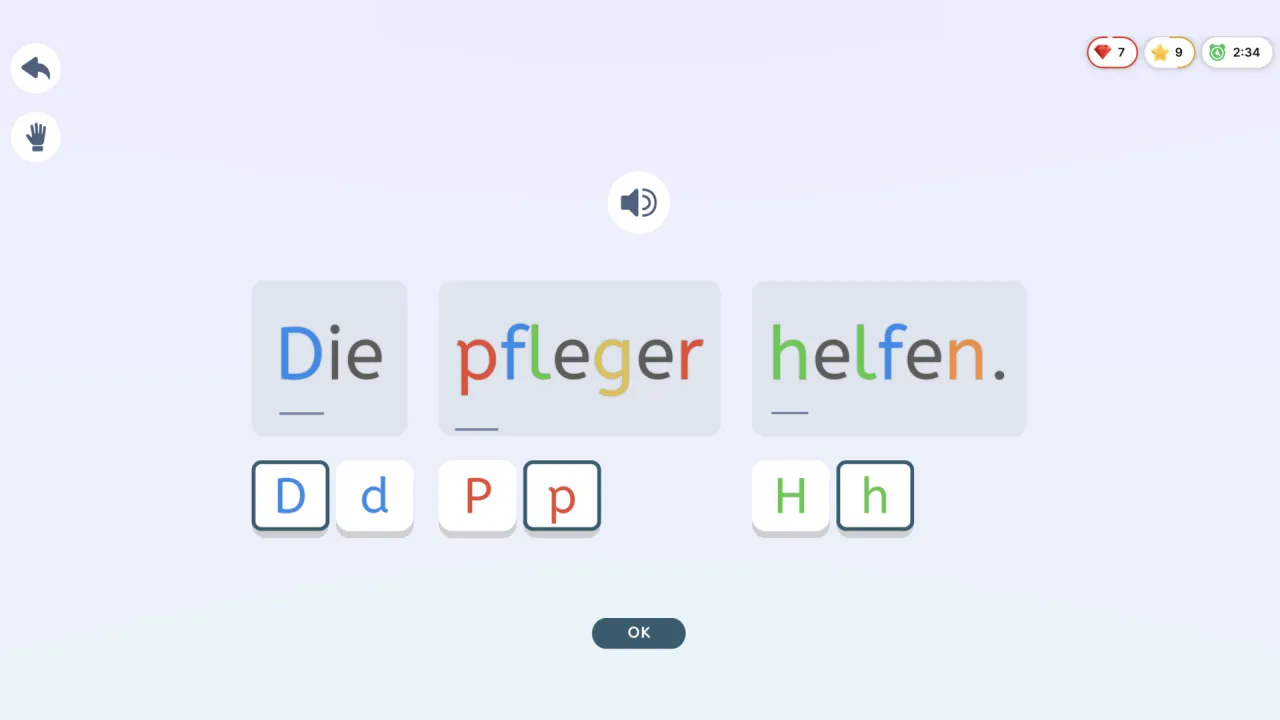
Watch Grafari in action
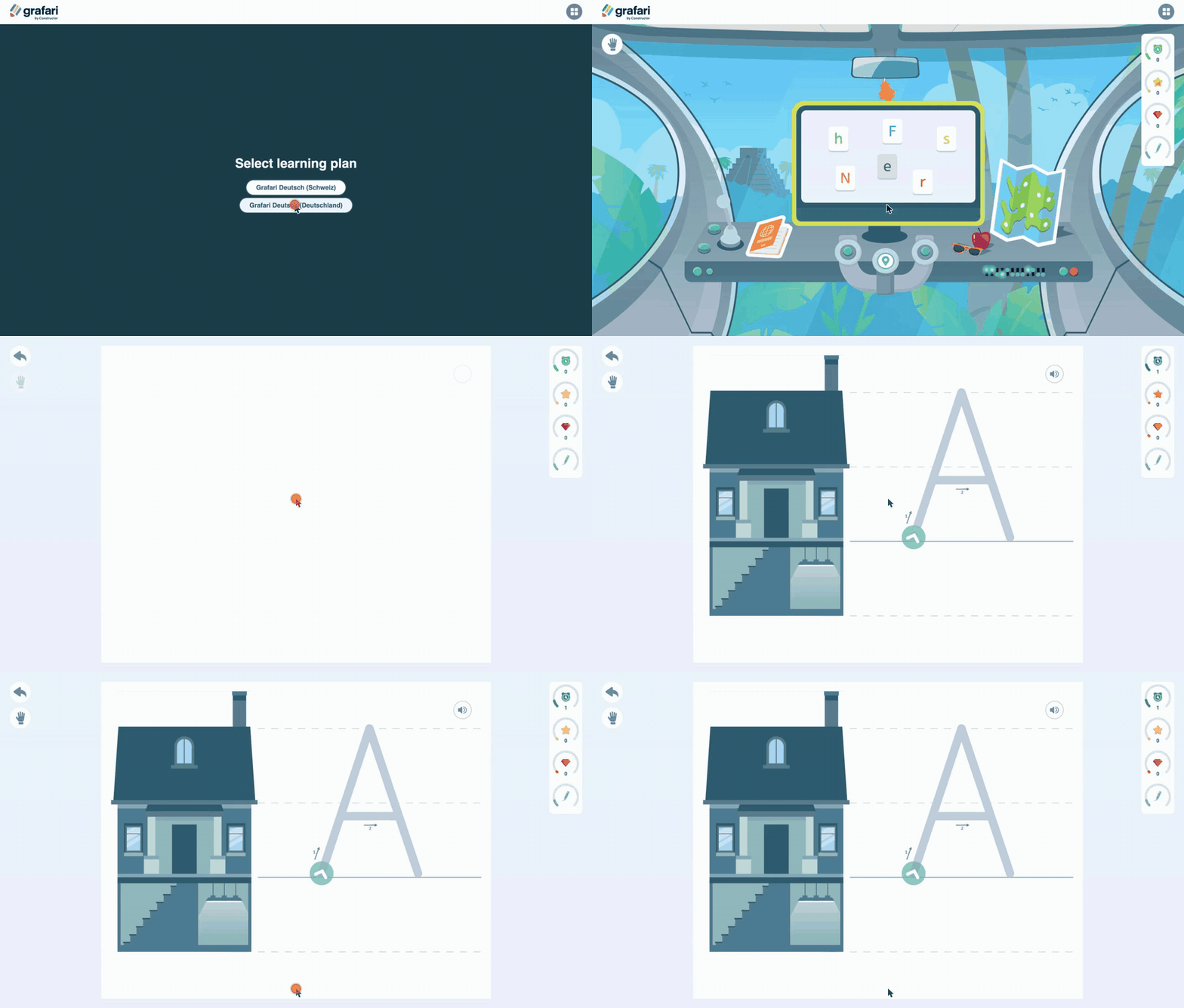
See which spelling rule each child has mastered
Grafari is a rule-based German spelling program, available today from grade 1 or 2 to the middle of grade 3. It trains seven areas of spelling competence in a fixed order. A child moves on only when an area is mastered.
Modules 3 to 5 are live today and Module 6 is in development.
Class teachers, learning therapists, and German as a second language (DaZ) teachers use it with the same children. The pictured vocabulary suits children who are still learning German.
Grafari teaches German spelling. Learner content is in German (Germany and Switzerland).
1,897
learners
in the pilot survey
85.72%
of teachers were convinced
of the added value
99%
of teachers confirm that
spelling competence is promoted
Grade 1 or 2 to mid grade 3
Modules 3 to 5
live today
Key capabilities
Real Grafari screens, one idea per card. Learner content is German.
Move on only when a rule is mastered
The program decides per child when to move on, through learning phases from entry to transfer. Quick learners move faster, and you set nothing by hand.
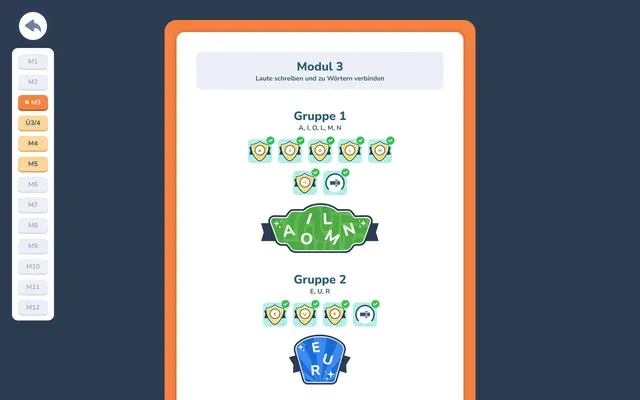
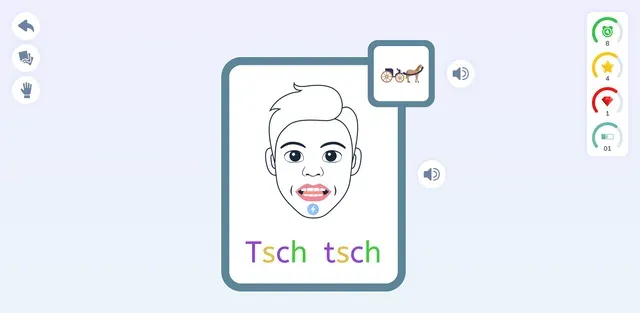
Show how a sound is formed
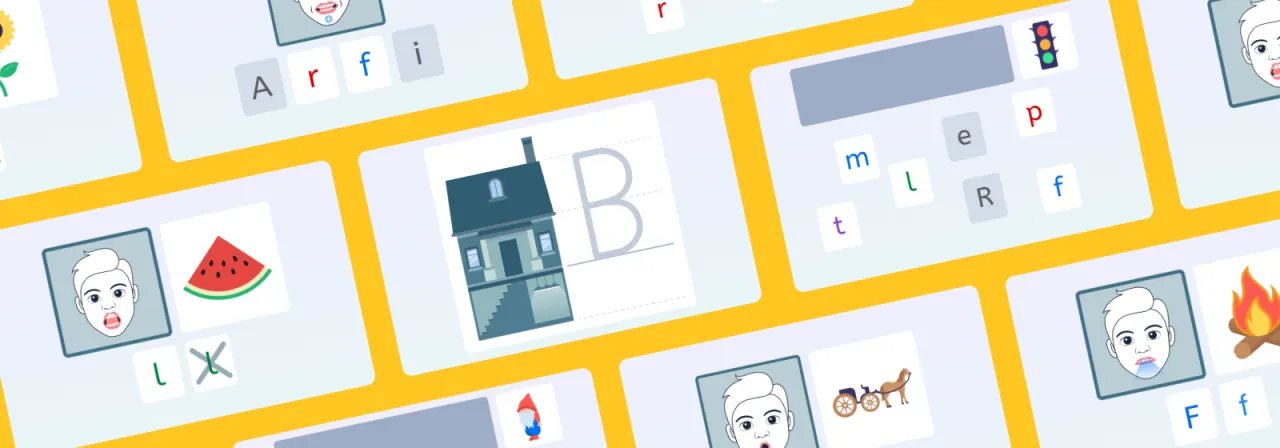
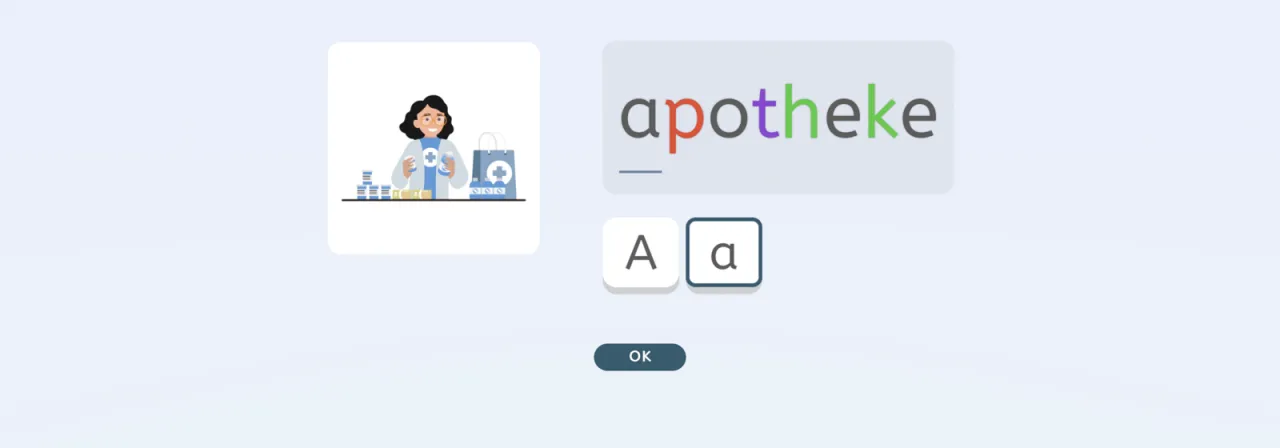
Each sound card puts a mouth image, a picture, and the letter side by side. For A, the card shows an open mouth, an ant, and the letters Aa.
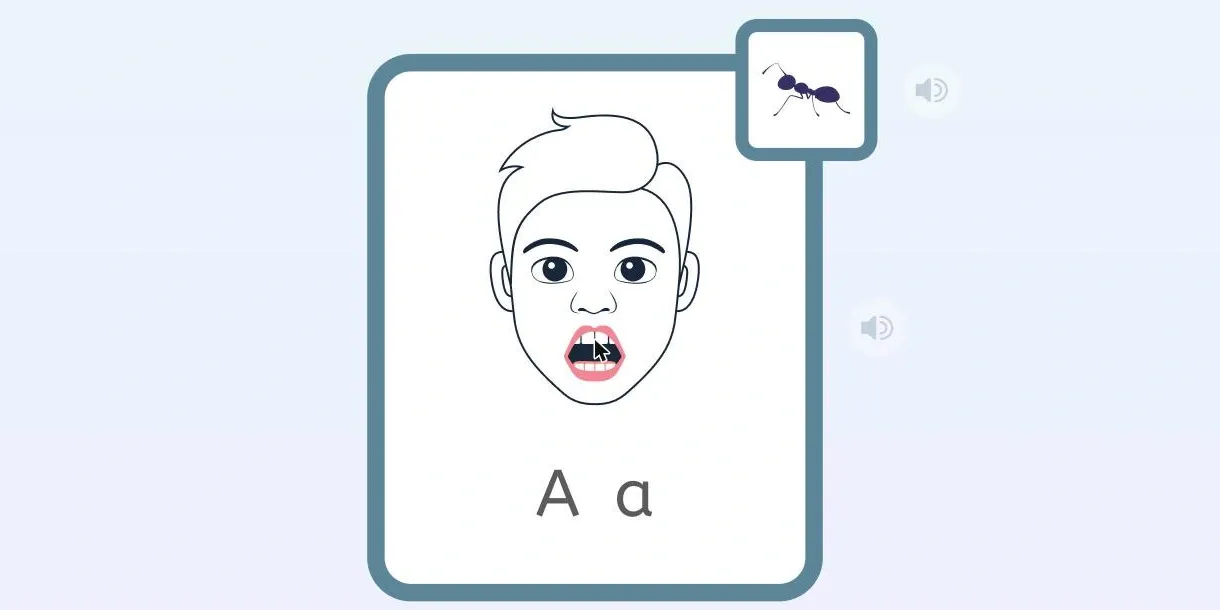
Make the sounds of a word visible
Colors, sounds, and visual aids per sound help the child. In Grafari, vowels are anthracite and consonants are colored. You switch each element on or off per child.
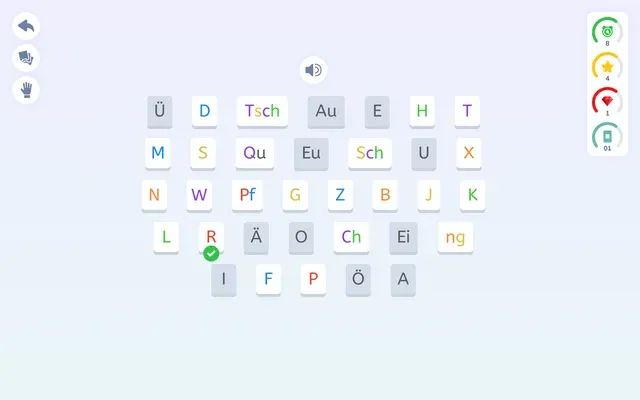
Type letter groups, not only letters
Children build words with graphemes, which are letters or letter groups that stand for one sound, such as Sch, Au, or Pf.
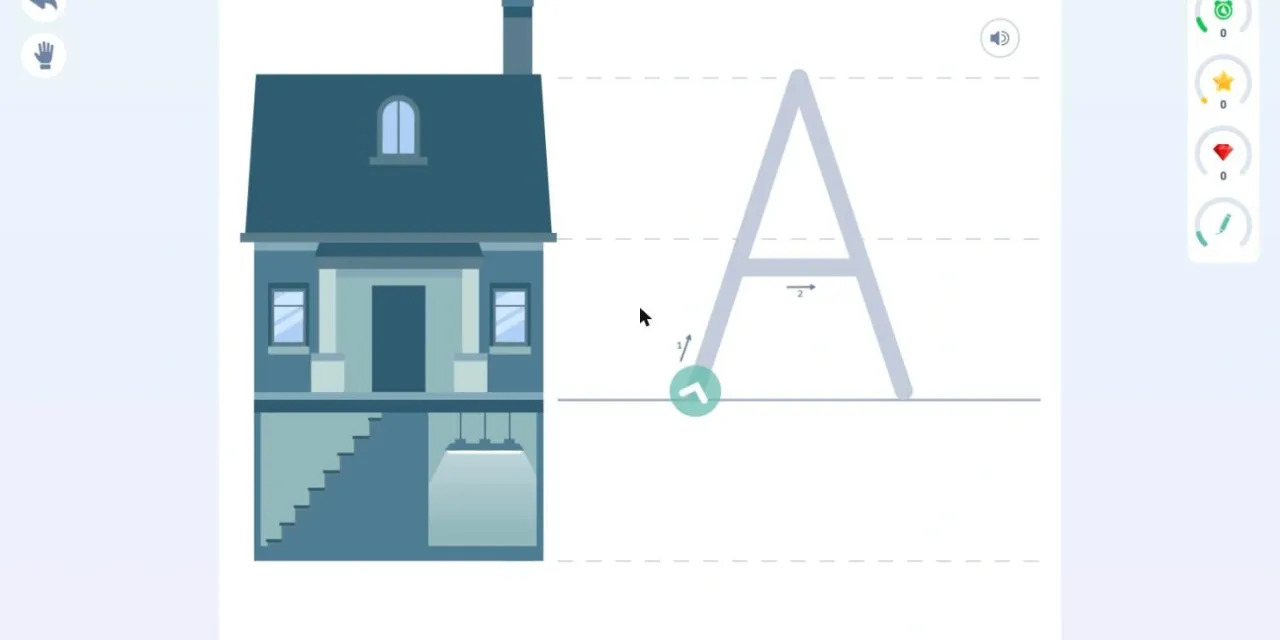
Guide the hand letter by letter
In handwriting practice, children follow numbered arrows that show where to start a letter and in which direction to move.
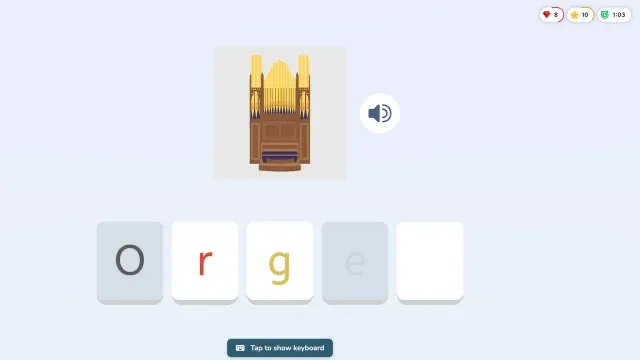
Practice with pictures, also in German as a second language
Children see a picture, hear the word, and place the letters. The pictured vocabulary suits learners of German as a second language.
Teach children to check their own writing
From Module 5, children check their own sentences, for example whether every noun and every sentence start has a capital letter. Module 6, in development, adds checking cards with questions such as “Are all sounds written?” Printed out, the cards can stay next to the child during free writing in Writing Lab, the German writing product.
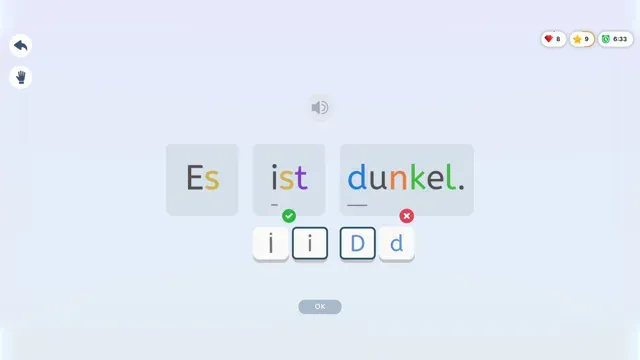
Keep practice short and rewarding
A unit takes 10 to 12 minutes, at school or at home. Children see stars and diamonds in every exercise and visit illustrated reward worlds. The reward system grows with the children.
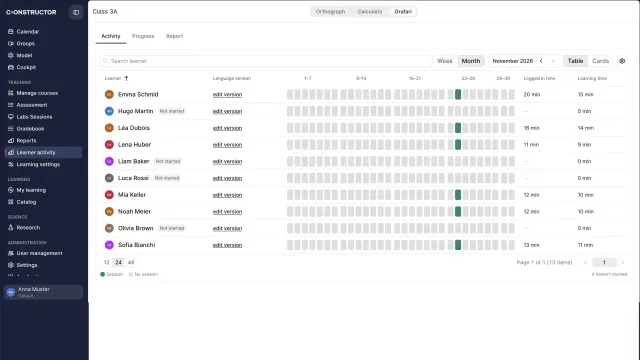
Check the whole class in the Coach
The Coach shows the class overview, learning time, the current module and grapheme per child, and where children struggle.
See what each module trains
Modules 3 to 5 are live, Module 6 is in development
Module 3: write sounds and combine them into words
Children build sound-letter links and basic writing routines in 12 grapheme groups. They decide whether a sound sits at the start, in the middle, or at the end of a word, and they speak aloud while writing, except for the sounds bp, dt, and gk. You choose the grapheme order for a group or one learner in the learning settings.
Module 4: write words exactly as they sound
Children split words into sounds and type them, first on one side of the keyboard, then on the whole keyboard. They combine consonants at the start of words, meet special and rare sounds, build words with tiles, and practice i and ie.
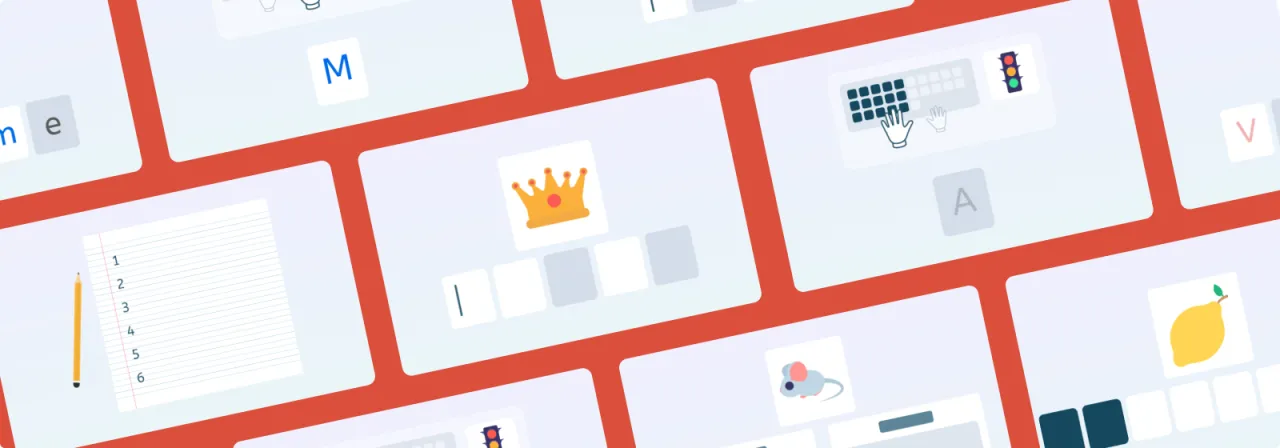
Module 5: capitalize nouns and sentence beginnings
Children sort concrete and abstract nouns, with and without pictures, and learn the article for concrete nouns. They find capital letters on the keyboard, capitalize nouns, and write sentences that start with a capital letter. They also handwrite words and sentences on paper.
Reward practice with eight audio stories per module
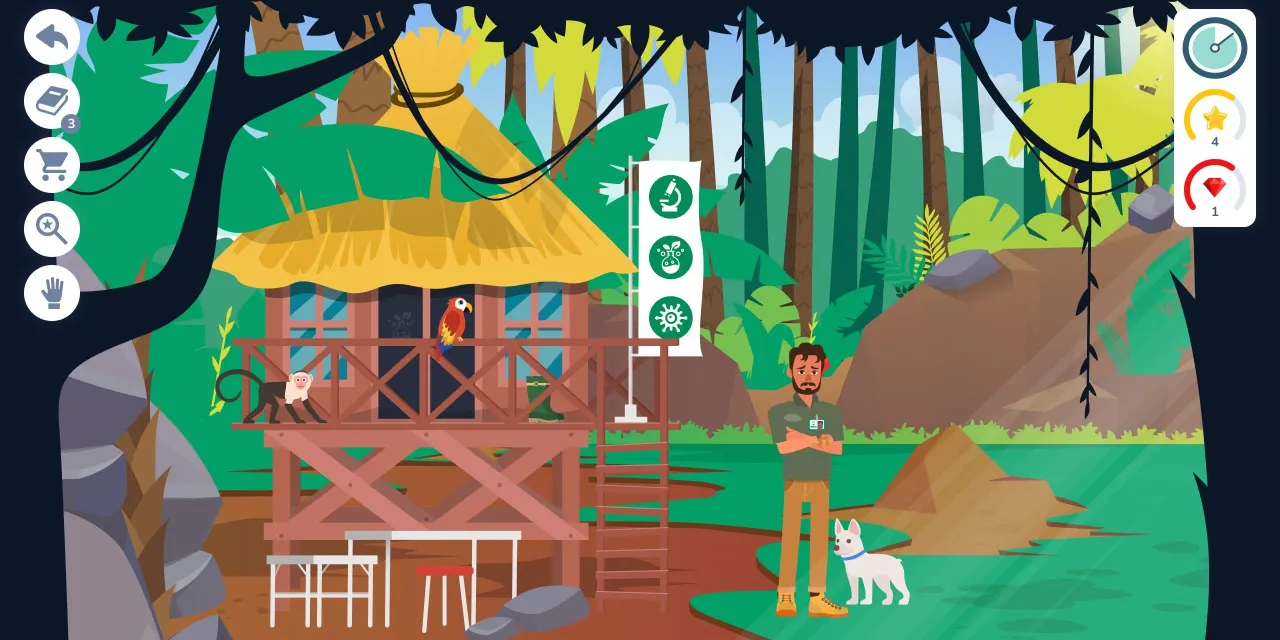
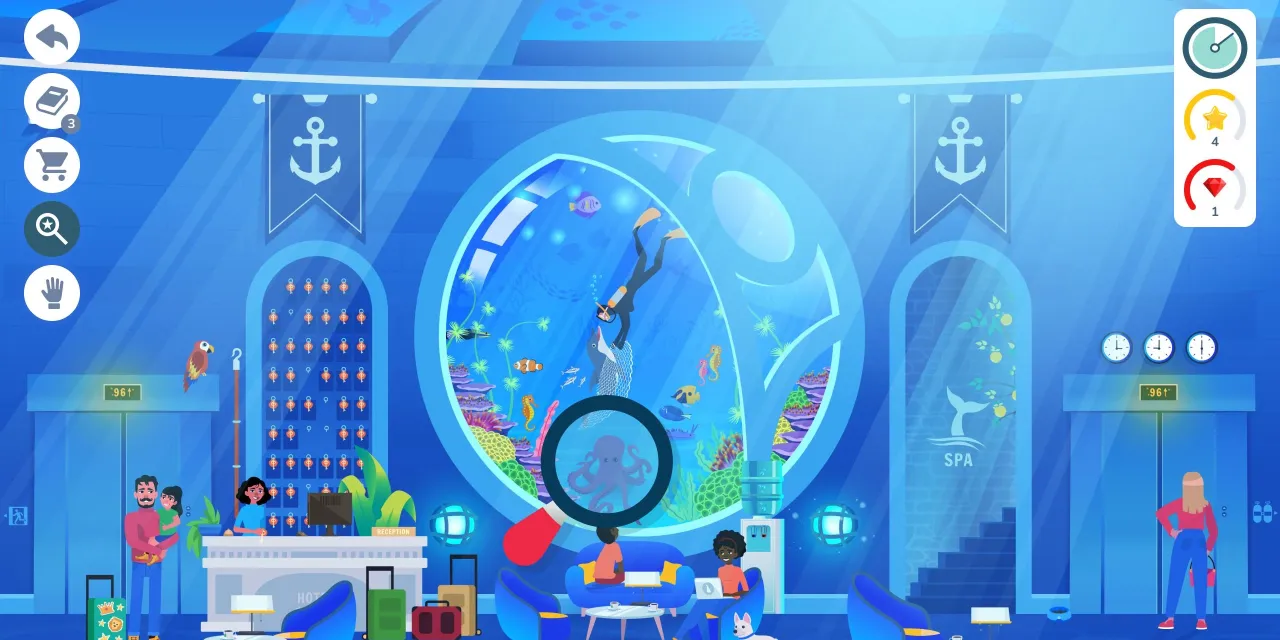
Children’s book author Carlo Meier wrote 8 audio stories for each module. Module 3 takes place in the jungle, where the little dog Maxi helps find Maik’s lost glasses, Module 4 in the ocean, and Module 5 on the coast. Children open the worlds on an interactive map. Stories unlock as they complete exercises, and each learning day has a time limit for exploring.
The jungle
Module 3: the little dog Maxi and a ranger in the rainforest.
Under water
An underwater hotel with a diver and a magnifier.
In development
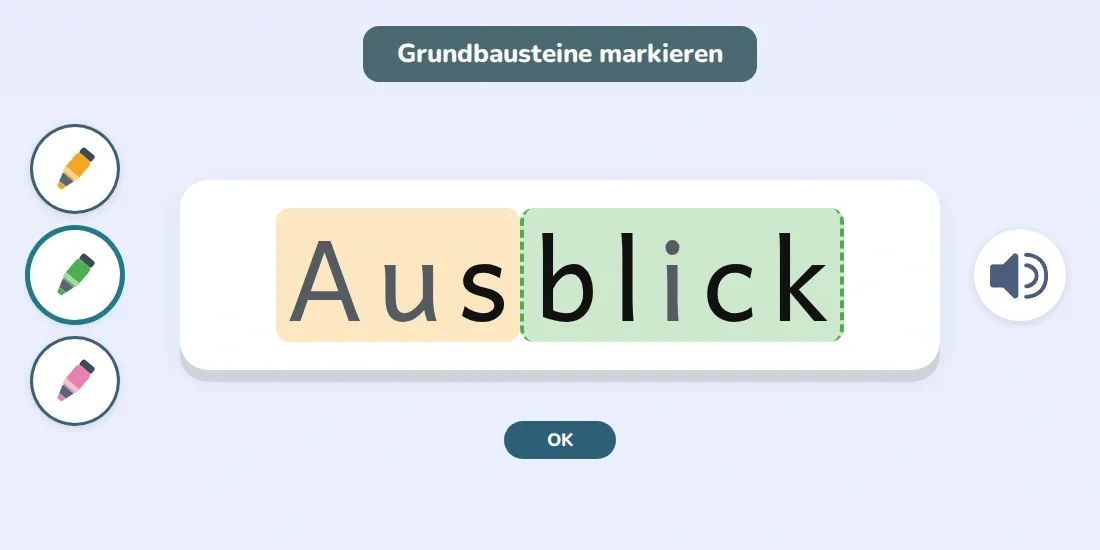
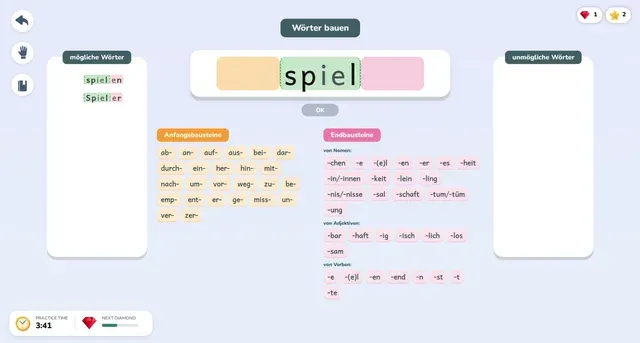
Preview: module 6, word building blocks
Children split words into prefixes, base blocks, and endings, and build new words from them. For example, the base block spiel combines with ab- and -en to form abspielen.
Mark base blocks in words
Build words from prefixes, base blocks, and endings
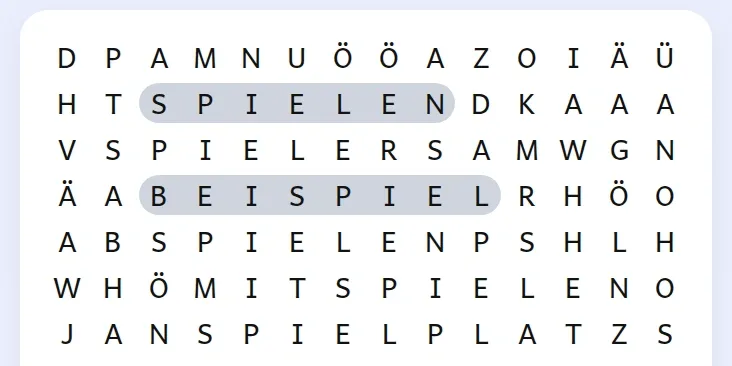
Find words
Read what the evidence shows
What exists today
Grafari has a pilot survey with 1,897 learners and a school-reported result from Grundschule Wesendorf. No independent study of Grafari exists yet.
Studies belong to Orthograph
The studies on multisensory spelling training belong to Orthograph and are listed on the Orthograph page.
How Grundschule Wesendorf supports every child with Calcularis and Grafari
“In the programs, the children are making greater progress than I am teaching. That is something I can say with confidence.”
Frauke Simanek, class teacher and learning therapist, Grundschule Wesendorf, Lower Saxony, Germany. She speaks about Calcularis and Grafari together. The video is in German.
By the Easter holidays, more than half of one grade 1 class had worked through all letters and was practicing sound-true spelling. The school normally reaches that level in autumn of grade 2. Teachers use Calcularis and Grafari on most school mornings, for 12 to 15 minutes. Reported by the school.
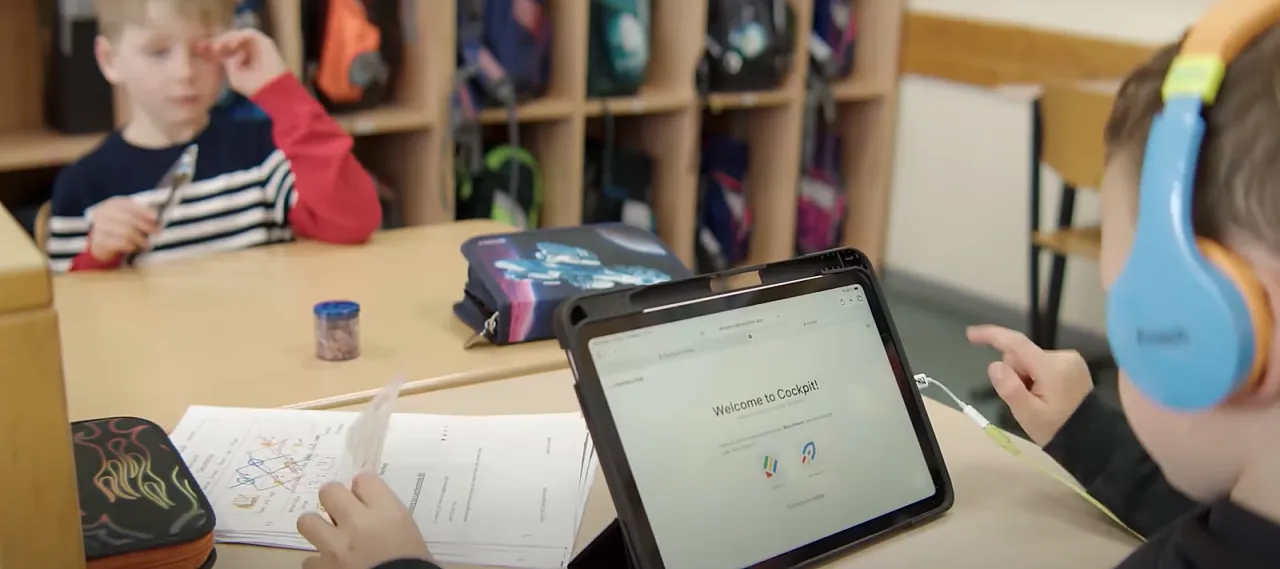
Frauke Simanek
Grundschule Wesendorf
Trusted by






Frequently asked questions
Which grades is Grafari for?
Which modules can children use today?
Does Grafari cover the spelling curriculum?
What is the difference between Grafari and Orthograph?
How do Grafari and Writing Lab work together?
In which language do children learn?
Can I switch off colors or sounds?
Is there a study on Grafari?
How does the free trial work?
What does it cost?
Does Grafari work on our school devices?
Try Grafari with your class
Start 30 days free, or ask us for a quote.