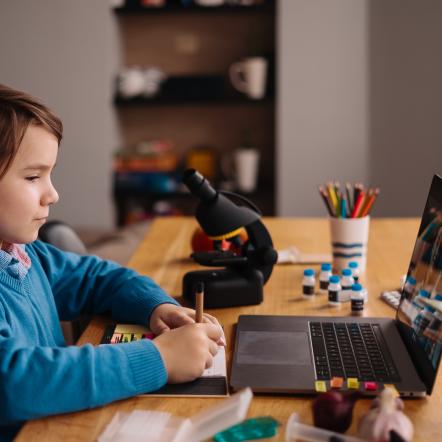
Math experts recommend a multi-sensory approach to math instruction
25 February, 2025


Mathematics can feel like an unsolvable puzzle for students. Research estimates that 3–6% of the population struggles with dyscalculia, making math anxiety a common challenge. Since traditional teaching methods rely on memorization, students with dyscalculia need alternative strategies - this is where multisensory learning comes in.
Multisensory learning activates visual, auditory, and kinesthetic pathways to strengthen comprehension and memory. Instead of relying solely on numbers and symbols, it makes math interactive and engaging.
Visual learning: Number lines, color coding, and diagrams make abstract concepts concrete.
Auditory learning: Verbal explanations and rhythmic counting enhance retention.
Kinesthetic learning: Hands-on activities and movement-based exercises reinforce learning.
A study on multisensory instruction found that students who engaged in hands-on math activities improved significantly in subtraction tasks.
The International Dyslexia Association highlights that multisensory instruction strengthens memory and cognitive processing.
The Journal of Learning Disabilities reports that students with dyscalculia perform better with multisensory teaching than with traditional methods.
One of the most effective tools for students with dyscalculia is Calcularis, an AI-powered platform designed to provide adaptive, multisensory math instruction.
Step-by-Step Progression: Gradual skill-building reduces frustration and boosts confidence.
Proven Results: Studies show that students using Calcularis improve their math skills by up to 45%.
As research continues to highlight the benefits of multisensory learning, more educators and parents are turning to innovative tools like Calcularis. By combining proven teaching strategies with adaptive digital solutions, we can empower students with dyscalculia to succeed in math and beyond. Want to transform math learning? Discover how Calcularis can help today!