Why remote exams need AI proctoring software in 2026

18 August, 2026
Why remote exams need AI proctoring

In March 2026, the Association of Chartered Certified Accountants (ACCA) stopped offering remote sittings for its main qualification, sending most of its 500,000 students back to in-person exam centers. ACCA's chief executive, Helen Brand, told The Financial Times that the shift is a response to rising misconduct, noting that "people who want to do bad things are probably working at a quicker pace" as AI tools make remote supervision harder to trust.


For certification bodies, universities, and corporate training programs running high-stakes exams outside a supervised room, the real question is no longer whether remote assessment is convenient. It is whether the proctoring behind it can be trusted when it matters most.

What breaks down under real exam-day pressure

A single camera feed cannot catch a second device, a mirrored screen, or a coached earpiece

Exam formats vary. Oral defenses, paper-based sittings, and closed-book multiple choice do not all fit the same proctoring mode

Sitting windows concentrate thousands of candidates into the same few hours, and volume spikes are exactly when weak systems fail

What does AI proctoring software actually do?

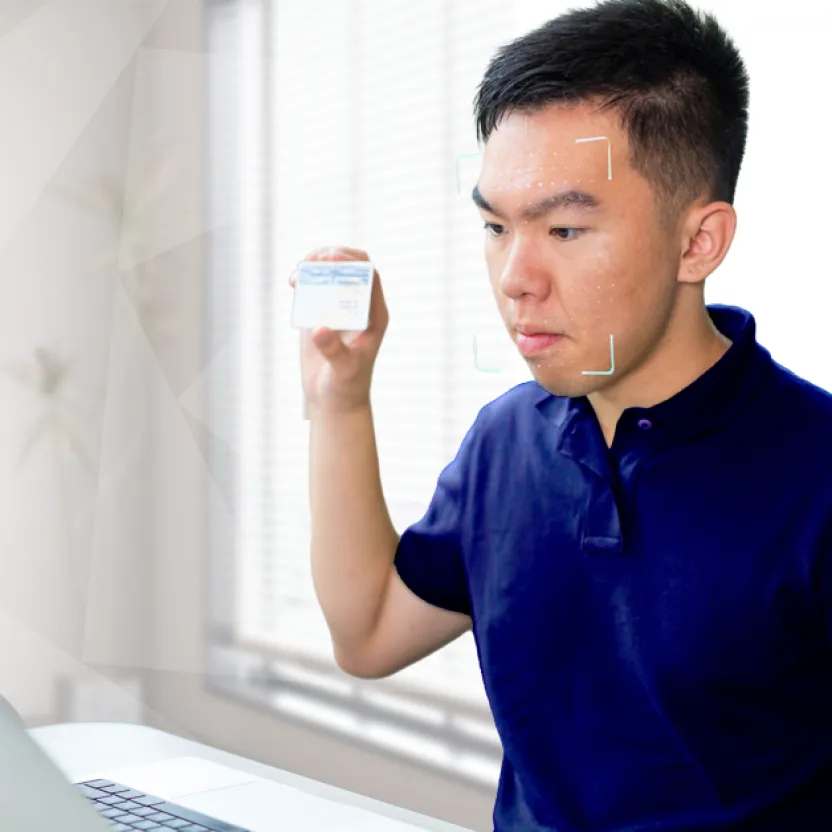
AI proctoring software monitors a remote exam session for signs that the registered candidate is not the person taking the test, or that they are getting help they should not have. It combines identity checks, behavior monitoring, and device detection, then routes anything unusual to a human reviewer rather than deciding guilt on its own. The goal is not full automation. It is giving a small proctoring team the reach to cover exam volumes that would otherwise require a room full of supervisors.


Why generic video monitoring is not built for this

Facial recognition alone misses a lot. Device detection that covers phones and headphones, not just cameras, screen-mirroring detection, and virtual machine checks close the gaps that a single detection method leaves open. A secure browser that locks down the exam environment itself adds a layer no amount of webcam monitoring can replace.


Modality breadth matters just as much as detection depth. Oral exams, paper-based exams, and no-camera formats all need proctoring too, and forcing every format through one webcam-only mode leaves gaps exactly where candidates know to look for them.

What to check before choosing a vendor

Any vendor can put a big number on a slide. Before signing, ask for the details that separate a proven platform from a projected one.

  • A concurrent-session figure the vendor has actually delivered, not projected
  • Independently held certifications such as ISO 27001, GDPR, and FERPA, not self-reported claims
  • Support for the exam formats you actually run, including oral and paper-based sittings, not just webcam
  • Device detection that covers phones and headphones, since cameras alone will not catch either

How Constructor Proctor is built for this

Constructor Proctor runs live and AI-assisted modes on the same platform, with device detection that flags phones and headphones seen on camera.


The Constructor Secure Browser blocks 150+ prohibited apps during an exam. The Secure Browser also detects and blocks extra monitors and checks for virtual machines. Constructor Proctor gives every session a 0–100 suspicion score, so reviewers know where to look first. Constructor Proctor detects 30+ violation types automatically, and in live and record-and-review proctoring a human confirms every flag.

150+

Prohibited apps blocked by the Secure Browser

30+

Types of violation detected automatically

0–100

Suspicion score on every session, so reviewers know where to look first

That reliability matters at scale. TechNet has used Constructor Proctor to deliver more than 80,000 professional certification exams, with capacity for over 1,000 exams a day and a 70% reduction in exam deliberation time. The Irish Aviation Authority also uses Constructor Proctor and Assess for theoretical remote pilot assessments under EU aviation regulations, showing how the same infrastructure can support regulated assessment environments with strict integrity requirements.

Frequently asked questions

Discover Constructor Proctor

See how Constructor Proctor keeps a human in the loop and the audit trail an ICO review expects.