Latest publication
Ten Years of Research on Intelligent Educational Games for Learning Spelling and Mathematics
A retrospective on the shared architecture behind Orthograph and Calcularis, with data from more than 20,000 children.


A retrospective on the shared architecture behind Orthograph and Calcularis, with data from more than 20,000 children.
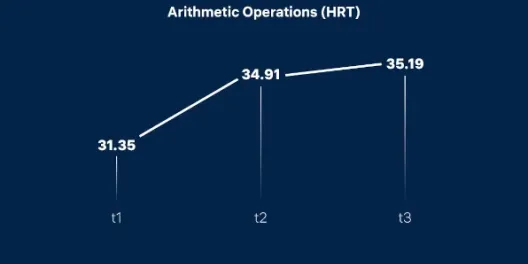
This study used Calcularis 2.0 with additional training forms. It found that the subjects improved their arithmetic skills even more than with older versions of Calcularis.
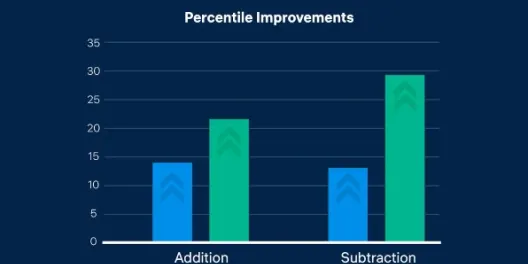
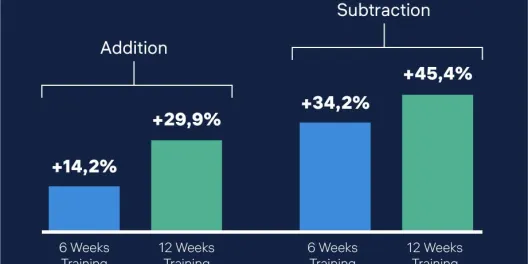
The above-listed publications cite the raw value and z-value improvements of the study participants, which is common for international publications.
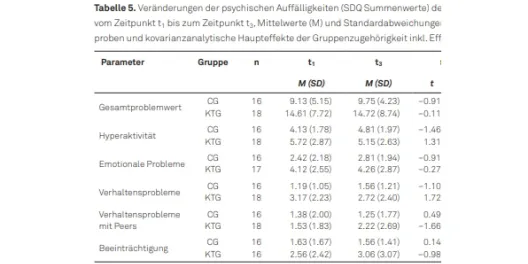
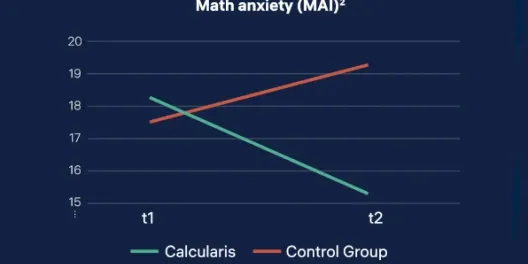
Continuing on from Part 1, which appeared in the same publication, this study looked at the influence of Calcularis on mental irregularities, maths performance anxiety and the children’s own perception of their skills.
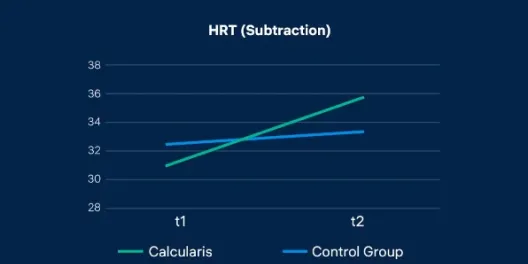
This publication looked at the direct, longer-term effects of Calcularis. The children who participated in the study trained for 20 minutes five days per week over a period of six to eight weeks. It was concluded that Calcularis doesn’t simply lead to an improvement in the short term, but also enables learners to build on their progress over a longer period.
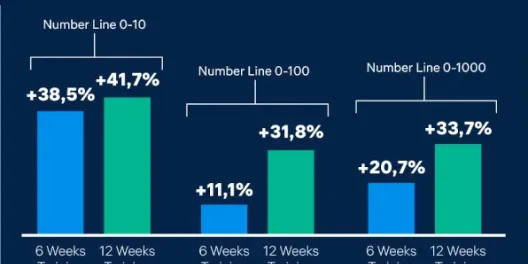
The authors of this study instructed one third of the participants to practise with Calcularis and another third to practise with Orthograph (the training control group).